What is VO2 Max? Meaning, Normal Range, Measurement and How to Improve Effectively
VO2 Max (Maximal Oxygen Consumption) is a key measure of cardiorespiratory fitness and aerobic performance. It represents the maximum amount of oxygen your body can take in, transport and use during intense exercise. The higher this value, the more resilient and durable your body is, indicating superior aerobic endurance.
VO2 Max reflects the integrated efficiency of your body’s systems:
- Heart: Efficiency of blood pumping and nutrient distribution.
- Lungs: Ability to take in oxygen and transfer it to the circulatory system.
- Circulatory System: Speed of oxygen transport to different organs.
- Muscles: Ability to absorb and metabolise oxygen into energy for movement.
Key benefits of having a high VO2 Max:
- You can run faster and sustain your pace longer without feeling huffed and puffed.
- Your body’s recovery rate after an intense training session is significantly accelerated.
- Your overall exercise performance is maximised and optimised to the fullest.
Why is VO2 Max important?
VO2 Max is closely linked to your everyday health, athletic performance, and most importantly, your physical longevity. Inside your body, oxygen acts as a “magic catalyst” to trigger aerobic metabolism. This process converts stored energy sources (such as carbohydrates and fats) into cellular fuel (ATP) to power your muscles during workouts.
Having a high VO2 Max means your oxygen processing system is running at peak efficiency, optimising your aerobic energy pathways. Because aerobic metabolism is the cleanest and most sustainable energy source for your body, endurance athletes (such as marathoners, cyclists, and triathletes) dedicate the vast majority of their training programmes to improving their aerobic capacity (VO2 Max).
The Most Accurate Ways to Measure VO2 Max
- Precision Testing in a Sports Science Lab
Traditional VO2 Max testing is typically performed in a professional sports science lab or gas analysis room. You will run on a treadmill with progressively increasing speed or incline while wearing a specialised breathing mask. The system analyses your gas exchange, measuring the difference in oxygen content between inhaled and exhaled air to calculate your exact oxygen consumption. Since this test subjects your body to extreme exertion, it is strictly recommended to only perform it when you are in excellent health. - Automated Estimation via Garmin Smartwatches
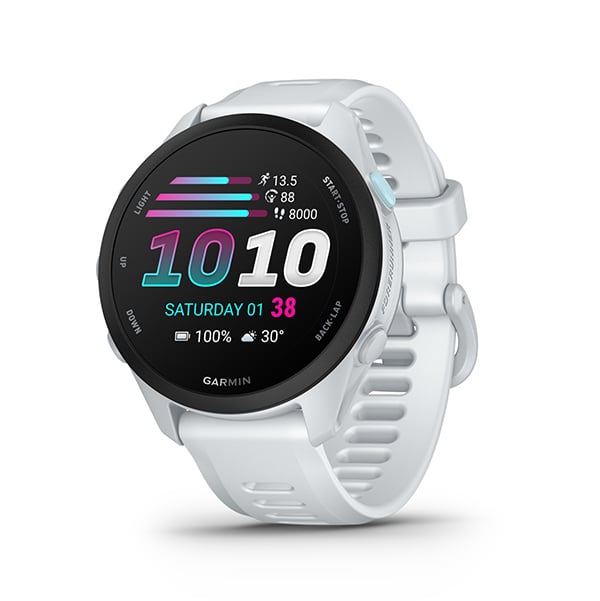
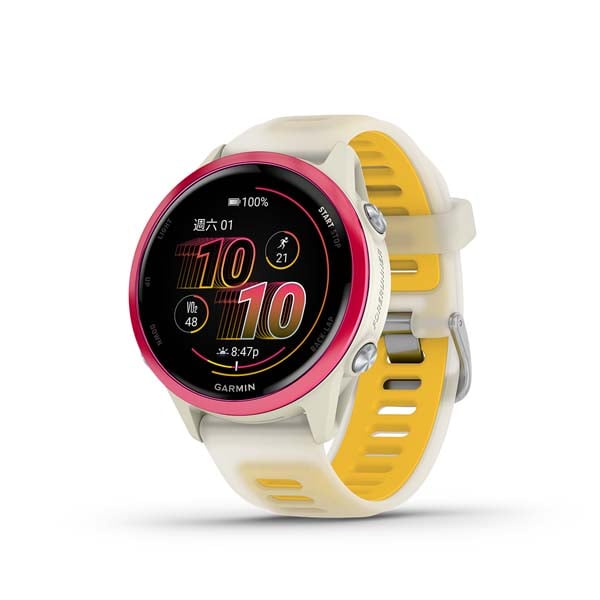
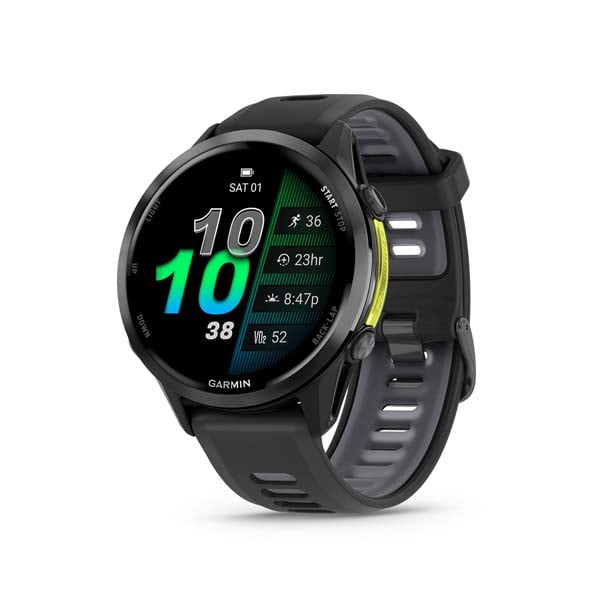
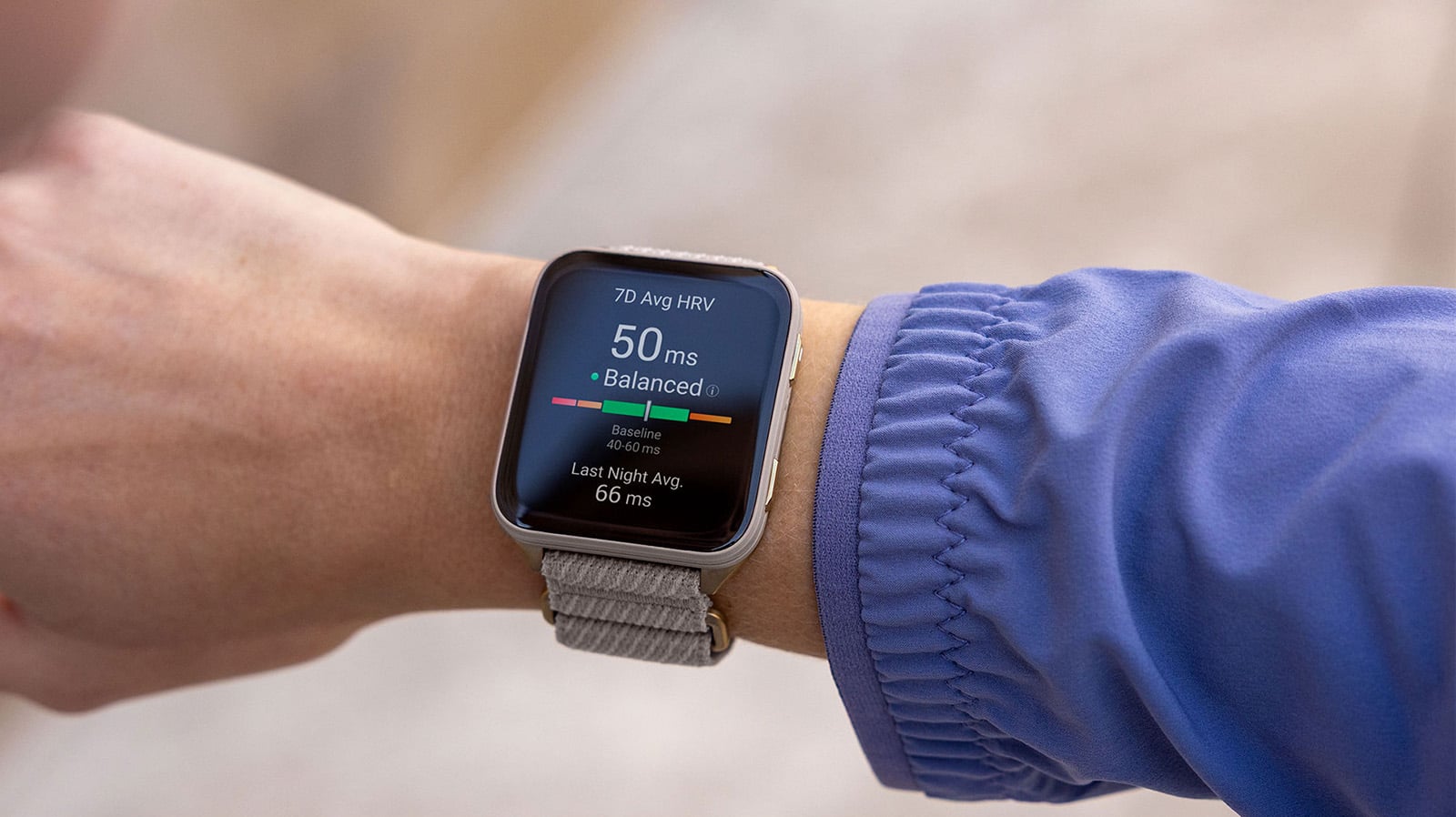
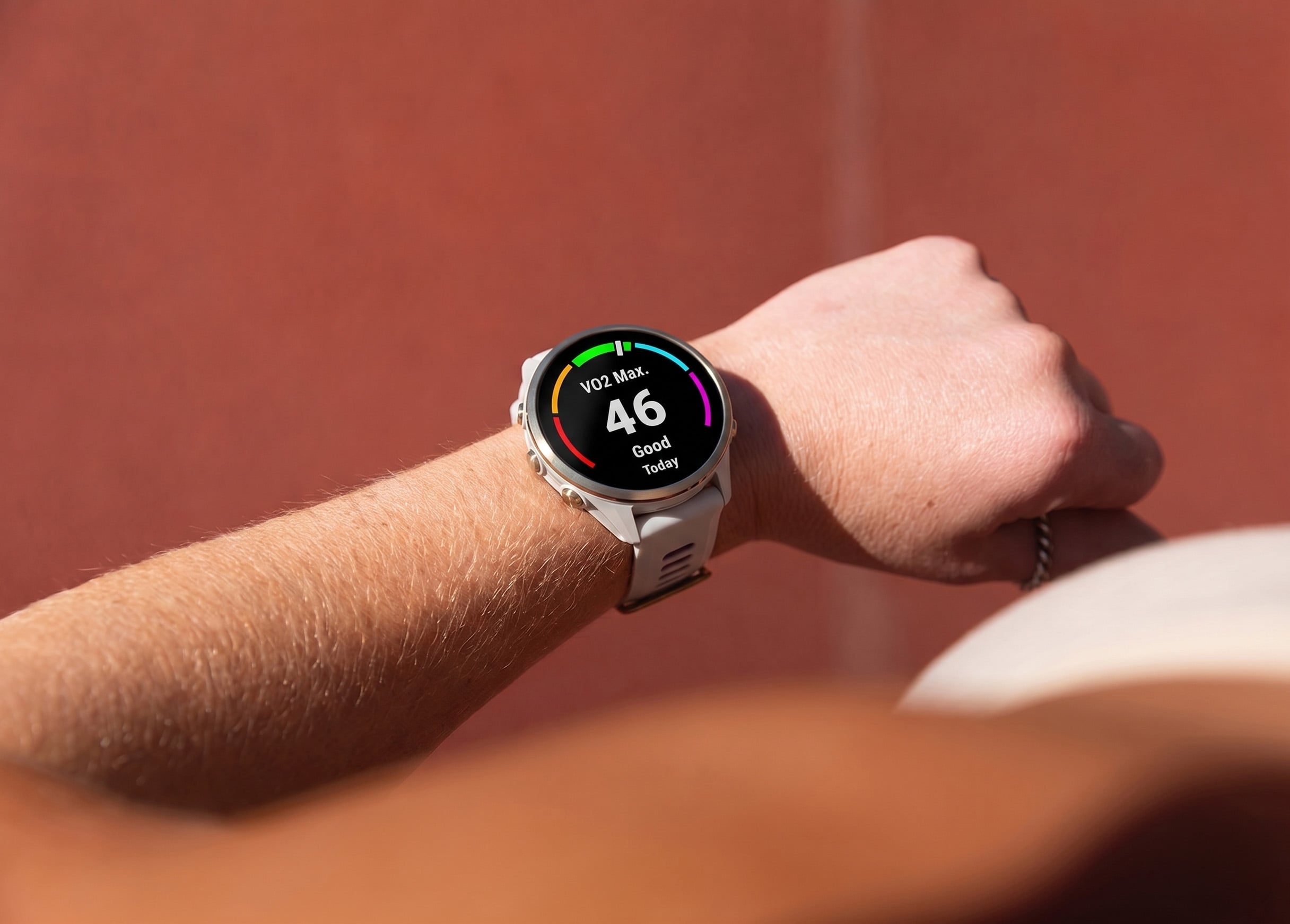
Many runners ask, “Is Garmin’s VO2 Max estimation accurate?” Today, you do not need to go through complex and exhausting laboratory testing. Compatible Garmin smartwatches can automatically estimate your VO2 Max during daily walks or outdoor runs using advanced algorithms powered by Firstbeat Analytics. - The system conducts a deep analysis of the relationship between your Heart Rate Variability (HRV) and performance data (such as your movement speed compared to your heart rate and physical effort) to calculate your aerobic capacity with high precision. This feature is also fully supported for cycling activities, provided you pair your Garmin watch with a compatible cycling power meter.
💡 Deep Dive – Technical Insights into Garmin’s VO2 Max Technology:
What is a Normal VO2 Max? Reference Chart by Age and Gender
The general principle is simple: “The higher the score, the better.”
- Gender and Weight: Men naturally possess a higher percentage of lean muscle mass (the tissue that actually consumes oxygen), while women naturally have a higher percentage of essential fat tissue. Consequently, men’s average VO2 Max values are generally higher than women’s. The value shown on your Garmin watch is “Relative VO2 Max” — meaning it represents the millilitres of oxygen utilised per kilogramme of body weight per minute (ml/kg/min).
- The Impact of Age: Physical fitness peaks in our 20s for both men and women. As we age, our heart’s pumping efficiency and muscle mass naturally decline, causing a 5% to 20% drop in fitness levels per decade for healthy individuals aged between 20 and 65. Past the age of 70, this decline in cardiovascular fitness accelerates. You can refer to the standard reference tables from The Cooper Institute below to see where your fitness stands:
【Male】VO2 Max Reference Chart (by Age Group)
| Age | Poor | Fair | Good | Excellent & Superior |
|---|---|---|---|---|
| 20–29 | <41.7 | 41.7 – 45.3 | 45.4 – 51.0 | ≥ 51.1 |
| 30–39 | < 40.5 | 40.5 – 43.9 | 44.0 – 48.2 | ≥ 48.3 |
| 40–49 | < 38.5 | 38.5 – 42.3 | 42.4 – 46.3 | ≥ 46.4 |
| 50–59 | < 35.6 | 35.6 – 39.1 | 39.2 – 43.3 | ≥ 43.4 |
| 60–69 | < 32.3 | 32.3 – 35.4 | 35.5 – 39.4 | ≥ 39.5 |
| 70–79 | < 29.4 | 29.4 – 32.2 | 32.3 – 36.6 | ≥ 36.7 |
【Female】VO2 Max Reference Chart (by Age Group)
| Age | Poor | Fair | Good | Excellent & Superior |
|---|---|---|---|---|
| 20–29 | < 36.1 | 36.1 – 39.4 | 39.5 – 43.8 | ≥ 43.9 |
| 30–39 | < 34.4 | 34.4 – 37.7 | 37.8 – 42.3 | ≥ 42.4 |
| 40–49 | < 33.0 | 33.0 – 36.2 | 36.3 – 39.6 | ≥ 39.7 |
| 50–59 | < 30.1 | 30.1 – 32.9 | 33.0 – 36.6 | ≥ 36.7 |
| 60–69 | < 27.5 | 27.5 – 29.9 | 30.0 – 32.9 | ≥ 33.0 |
| 70–79 | < 25.9 | 25.9 – 28.0 | 28.1 – 30.8 | ≥ 30.9 |
What is a Good VO2 Max for My Age?
A good VO2 Max depends on your age and gender. Compare your Garmin VO2 Max score with the reference chart above to understand where your current aerobic fitness level stands.
How to Improve VO2 Max for Running: 4 Effective Training Methods
Although age-related fitness decline is inevitable, the good news is that fitness loss caused by a sedentary lifestyle can be fully reversed with regular exercise and structured training.
1. High-Intensity Interval Training (HIIT)
This method pushes your cardiovascular system to its upper limits in short bursts, stimulating the fastest growth in VO2 Max.
- Sample Workout: Sprint at maximum effort for 30 seconds, followed by 1 minute of walking or light active recovery jogging. Repeat this cycle 8 to 10 times.
2. Endurance Training (LSD, etc.)
Running long distances at a steady, comfortable pace (Pace within Heart Rate Zone 2) stimulates capillary network development in your muscles, laying a robust foundation for your aerobic endurance.
🎥 Guide Video: How to Choose HR Zones to Boost Your VO2 Max: Tailored Tips for Faster Progress
To improve VO2 Max, it is ideal to combine short high-intensity training in Zone 4 with active recovery in Zone 2. If your VO2 Max score has hit a plateau, introducing variety to your training to challenge your body and ensuring sufficient recovery time between sessions will help optimise your athletic performance.
3. Maintain a Consistent Training Frequency
Aim for 3 to 5 training sessions per week. Always follow the principle of “progressive overload” (gradually increasing volume and intensity) to prevent running-related injuries.
4. Scientific Data Analysis via Garmin Devices
Your Garmin smartwatch acts as a “personal coach” on your wrist. It continuously tracks your VO2 Max after workouts, displays your fitness progress trends in the Garmin Connect app, and suggests optimal Training Load based on your recovery status.
🎥 Guide Video: Understanding Your Training Status
Training Status evaluates your overall progress by combining your VO2 Max, Heart Rate Variability (HRV), and acute training load over the last 7 days. If your Training Status displays “Overreaching” and your HRV status is poor, it is a warning that your training load is too high, and you should switch to lighter recovery sessions or rest completely.

Which Garmin Products Support VO2 Max Tracking?
Most modern Garmin smartwatches and wearable devices feature VO2 Max tracking. However, the algorithms and display options are tailored to fit different user lifestyles:
Running & Triathlon Specialists (Forerunner Series)
Equipped with a highly advanced, dedicated Running VO2 Max algorithm that integrates seamlessly with your Training Status.
- Featured Models: Forerunner 70/170, Forerunner 570, Forerunner 970 (and previous models such as Forerunner 55, 165, 255, 265, 955, 965).
- Key Feature: Automatically records and updates your VO2 Max after any outdoor running activity (with GPS and heart rate enabled) lasting more than 10 minutes.
Premium & Outdoor Specialists (fēnix & MARQ Series)
Garmin’s durable flagship watches designed for professional athletes, explorers, and high-intensity sports enthusiasts.
- Featured Models: fēnix 8 Series, tactix, MARQ Gen 2.
- Key Feature: Supports Trail Running VO2 Max — an algorithm that automatically factors in the physical strain of steep inclines and rugged off-road terrain, ensuring your fitness score does not drop unfairly during trail runs or mountain hikes.
Health & Lifestyle Companions (Venu & vívoactive Series)
Sleek, modern designs ideal for professionals, gym-goers, yogis, and those focused on everyday wellness.
- Featured Models: Venu 4, Venu X1, vívoactive 6.
- Key Feature: Displays your VO2 Max in the form of “Fitness Age”, translating complex cardio-fitness metrics into an easy-to-understand indicator of your body’s physical age.
Hybrid & Fashion Smartwatches (vívoomove & Lily Series)
The perfect intersection of classical, elegant analogue watch aesthetics and hidden smart health-tracking features.
- Featured Models: vívoomove Trend, vívoomove Sport, Garmin Lily 2.
- Key Feature: Measures and updates your VO2 Max by using Connected GPS via your smartphone during outdoor walks or runs. This data is synchronised to calculate your “Fitness Age” for seamless wellness management.
Rugged & Niche Sports Specialists (Instinct & Approach Series)
- Instinct 3 / Instinct Crossover: Built to military standards for extreme shock resistance, supporting full VO2 Max tracking for both running and cycling.
- Approach S70 (Premium Golf Watch): Designed for golfers to optimise their swing, but equipped with new-generation sensors to track VO2 Max and overall physical fitness.
VO2 Max FAQ
Have more questions about Garmin’s VO2 Max tracking? For specific measurement requirements or troubleshooting why your score isn’t displaying, refer to the VO2 Max FAQ on Garmin Support.