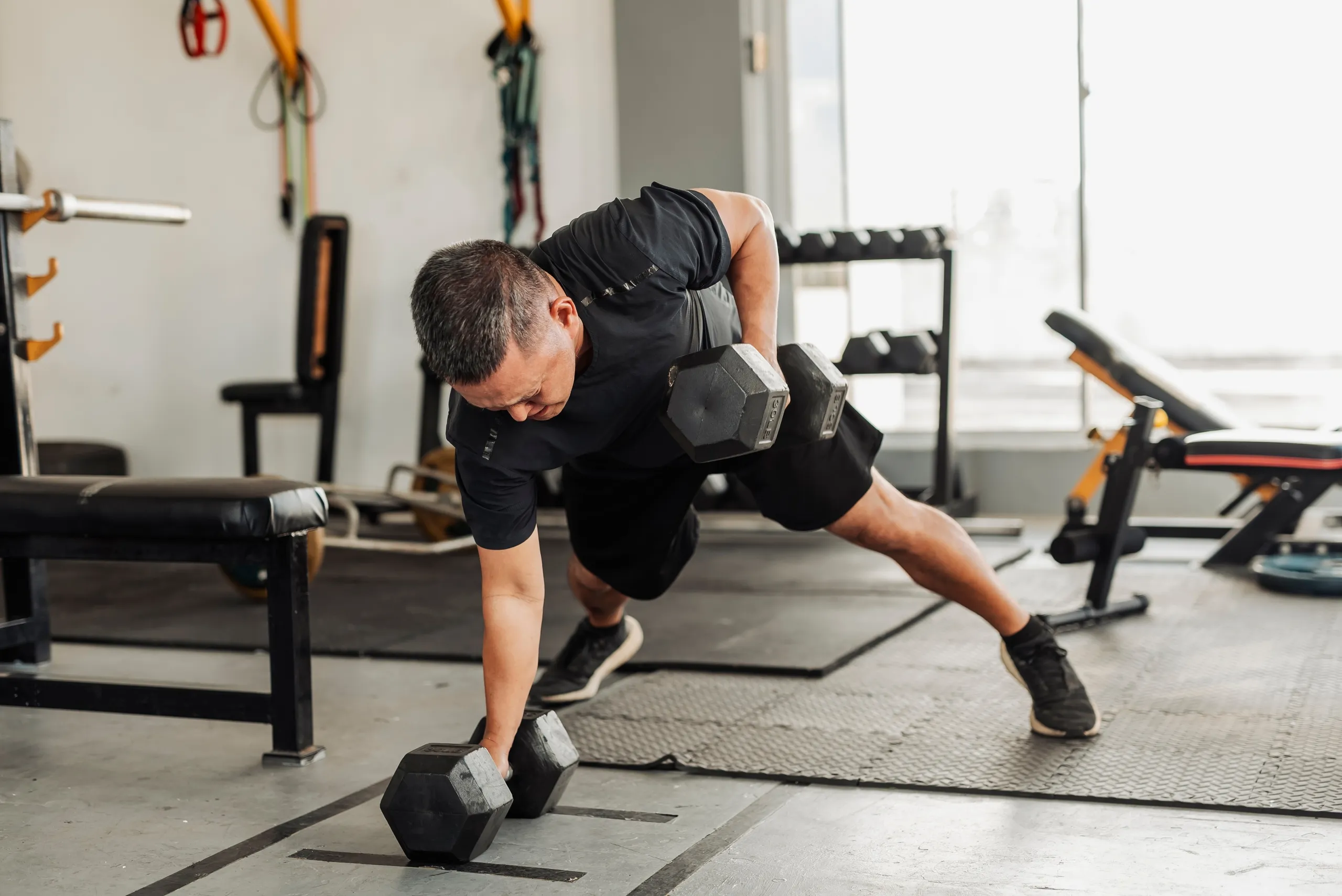
What is Strength Training? Discover the benefits, types, and how to get started.
Many kick-start their fitness journey with running or cardio, as it’s easy to follow and helps boost energy levels. But after a while, you might want to build a stronger body—lifting weights with more ease, walking or standing steadier, and improving daily metabolism. That’s why strength training has gained popularity among those aiming to enhance their physique, health, and long-term quality of life.
In this article, Garmin takes you through what strength training is, the different types available, and how it can benefit you. We’ll also recommend training programmes and show you how to track your progress using a smartwatch, so you can achieve your goals in every workout session.
This article will take you to discover…
- What is Strength Training?
- What are the benefits of Strength Training?
- How many calories does Strength Training burn?
- Which muscles and systems does Strength Training target?
- How to perform Strength Training correctly?
- What types of Strength Training are there? Who is each suitable for?
- What precautions should be taken with Strength Training?
- What are the 5 basic Strength Training exercises?
- How to integrate Strength Training into a workout plan?
- How to track Strength Training results?
- Conclusion: Start Strength Training confidently with Garmin
- Frequently asked questions about Strength Training
What is Strength Training?
Strength training is a form of exercise that uses resistance to push muscles beyond their normal workload. Whether you use your own body weight, dumbbells, barbells, or gym machines, the goal is to build strength, increase muscle mass, and enhance your body’s power. When muscles are repeatedly stimulated with the right amount of resistance, they gradually repair and adapt, becoming stronger. This helps you lift heavier objects, move more efficiently, and even achieve a firmer physique.
What are the benefits of strength training?
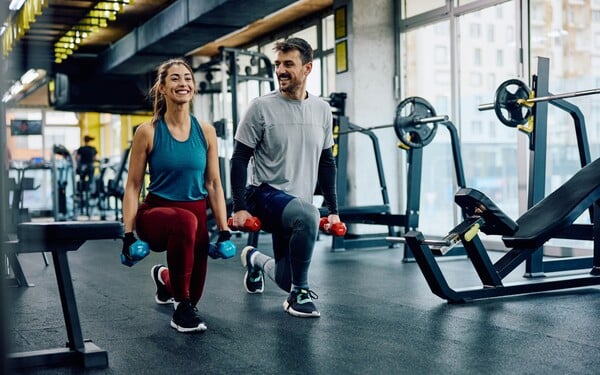
Strength training doesn’t just help build more defined muscles—it also has positive effects on various body systems. Here are the benefits of strength training:
- **Build muscle mass and bone density** to keep the body strong and lower the risk of osteoporosis as you age.
- **Boost metabolism and burn fat even at rest.** Strength training helps increase or maintain muscle mass, which may slightly raise energy use at rest over time. However, fat loss still depends on calorie intake, daily activity, exercise, and rest—not just the afterburn effect or muscle alone.
- **Reduce injury risk and support movement.** Stronger muscles and joints handle daily movements better, lowering the chance of injuries from poor posture or improper pressure.
- **Slow age-related muscle loss.** Strength training is an effective way to prevent sarcopenia, keeping the body strong and movement agile as you get older.
How many calories does strength training burn?
Strength training burns roughly 180–500 calories per hour, influenced by three main factors: body weight, exercise intensity, and rest time between sets. Those doing compound movements with shorter rests expend more energy than those lifting heavy weights but taking longer breaks, even if the total workout time is the same.
| Approximate body weight | Moderate intensity | High intensity |
| 57 kg | About 180 kcal/hr | About 360 kcal/hr |
| 70 kg | About 225 kcal/hr | About 430 kcal/hr |
| 84 kg | About 265 kcal/hr | About 505 kcal/hr |
The figures are based on data from Harvard Health Publishing, which states that 30 minutes of moderate weightlifting burns roughly 90, 112, and 133 calories for three different body weights. For the same duration, heavy weightlifting uses about 180, 216, and 252 calories. However, actual energy expenditure during real workouts with rest periods between sets is typically slightly lower.
After your workout, your body still needs more oxygen than usual to recover to its normal state. This involves replenishing energy reserves, regulating body temperature, and repairing muscles. This process is known as EPOC (Excess Post-exercise Oxygen Consumption), or the Afterburn Effect, meaning your body continues burning calories even after you’ve stopped exercising. It’s often estimated at about 10% of the energy used in that session. For instance, if you burn 300 calories, you’ll burn roughly another 30 calories post-workout. This effect increases with higher total workloads or shorter rest periods between sets.
Strength Training: Which Muscles/Systems Does It Target?
Strength training builds resilience by working multiple muscle groups at once. Compound lifts, which engage several muscles simultaneously, boost strength, muscle mass, and everyday physical capability. Focus on these key muscle groups:
- Upper (Top Part) Chest, shoulders, back, and arms
- Lower (Bottom Part) Legs, hips, and buttocks
- Core (Midsection) Abdominal and lower back muscles that help support the body
What Are Some Strength Training Moves? 5 Basic Exercises You Can Easily Follow
5 basic strength training moves covering upper body, lower body, and core. All are compound exercises using multiple muscle groups together, making them the cornerstone of almost every training program.
| Exercise | Primary Muscles | Common Mistakes |
| Squat | Quads, glutes, core | Knees caving in, lower back rounding |
| Deadlift | Back, glutes, hamstrings | Lifting with the back instead of hips |
| Bench Press | Chest, front delts, triceps | Elbows flaring out, shoulders lifting off the bench |
| Row | Mid and upper back | Using body momentum to pull |
| Overhead Press | Shoulders, triceps, core | Arching the lower back to push weight up |
All five of these will serve as the core of the 4-week programme in the upcoming topic. Always start with a weight that lets you maintain proper form throughout every rep. If you’re unsure about any movement, consider consulting a trainer or studying the technique further before increasing the load.
How to do strength training correctly?

To get the best results and stay safe with strength training, it’s important to focus on proper progression and form control rather than rushing to increase weight. Here’s the correct approach that Garmin recommends for both beginners and seasoned gym-goers who are already into strength training:
- Warm up and activate before training Always warm up your joints and stimulate muscles before lifting weights. This prepares your body and lowers injury risks during workouts.
- Focus on compound movements Exercises like Squats, Deadlifts, Presses, and Rows engage multiple muscle groups at once. They help build functional strength useful in daily life.
- Set sets, reps, and load based on goals For strength, use fewer reps with heavier loads, such as 1–6 reps. Building muscle usually involves 8–12 reps per set.
- Master form before adding weight Good form is key. It ensures muscles work correctly and reduces injury chances.
- Rest between sets according to your goal For max strength with heavy loads, rest 2–5 minutes. This lets your nervous system and muscles recover for full power. For muscle building (8–12 reps), rest 60–90 seconds. If short rests prevent hitting reps or ruin form, increase rest time.
What’s involved in strength training? How many types are there, and who is it suitable for?
For strength training, there are various formats to choose from based on your readiness, equipment, and personal goals. Whether you’re a beginner starting with bodyweight exercises or someone serious about maximising strength, you can pick the best approach. Here’s a summary of the main types of strength training available.
| Type | Equipment | Best For |
| Bodyweight Strength Training | No equipment needed | Beginners or those training at home |
| Free Weight Training | Dumbbells, barbells | Those aiming for steady strength gains |
| Machine-Based Training | Gym machines | Beginners seeking safety and guided movement |
| Functional Strength Training | Kettlebells, resistance bands, TRX | Those wanting practical strength for daily life |
| Powerlifting | Barbell, weight plates, power rack, bench, lifting belt | Those with a base seeking max strength or competition prep |
| Olympic Weightlifting | Olympic barbell, bumper plates, platform, lifting shoes | Those developing power, ideally with an experienced coach |
What are the precautions for strength training?
Even though strength training is beneficial for the body by helping to build physical strength, there are actually some precautions that fitness enthusiasts should pay special attention to.
- Using poor form: Incorrect technique increases injury risk, especially in compound movements. Start light and perfect your form first. Lifting too much weight: Adding weight without considering your body’s readiness can strain joints, tendons, and muscles excessively. Skipping rest: Muscles grow during recovery, not just training. Daily heavy workouts without rest lead to fatigue and higher injury risks. Existing health conditions or injuries: If you have chronic pain, past injuries, or medical conditions, consult a doctor or specialist before starting.
How to Incorporate Strength Training into Your Workout Programme?
For beginners, starting with a full-body programme two to three days a week, with rest days in between, allows your body to learn proper form, adjust gradually, and recover sufficiently. The four-week plan below progressively increases intensity based on your body’s readiness, helping new exercisers stay consistent while minimising injury risk during workouts.
| Week | Frequency/Week | Main Focus | Sets × Reps |
| Week 1 | 2 days | Learn form with light weights | 2 sets × 10–12 reps |
| Week 2 | 2–3 days | Get used to Compound moves | 3 sets × 10 reps |
| Week 3 | 3 days | Increase weight slightly | 3 sets × 8–10 reps |
| Week 4 | 3 days | Test progress and adjust plan | 3 sets × 8 reps |
Note: This programme is designed for healthy adults without medical restrictions. Choose a weight that lets you maintain proper form every time, and increase load only when you feel confident in your technique.
How to Track Strength Training Results

Tracking your progress is key to seeing real improvements. This includes increases in 1RM (your heaviest single lift), total volume load, staying within the right heart rate zone, and monitoring recovery readiness. These metrics help you determine when to increase weight and when to take a break to prevent overtraining.
For those who regularly engage in strength training, almost every Garmin watch model supports a dedicated Strength Training mode, automatically counting reps and sets. However, if you’re looking for a workout that blends strength and cardio—commonly known as hybrid training—having a multisport smartwatch like the Garmin fēnix 8 or the newer Garmin fēnix 9 will make tracking your sessions more systematic and effective.
With training modes that support both strength and cardio exercises, you can customise your workouts to better suit your personal goals. It also features animated exercise demonstrations, muscle group charts, and sport-specific strength training that guides you on which muscle groups to target for particular sports.
For those serious about Hybrid Training and aiming to compete, features like Garmin Coach can help tailor your strength and endurance plans more effectively. Meanwhile, Training Load and Training Readiness allow you to monitor workout intensity and assess daily readiness, so you know when to push forward and when to rest for recovery.
**Summary: Start strength training with confidence using Garmin**
It’s clear that strength training isn’t just about building muscle. It’s a long-term investment in your body, boosting strength, improving your shape, supporting metabolism, and making daily life easier. Start with proper form, gradually increase weight, and allow time for recovery. Each session brings you closer to lasting health and vitality.
As your strength training becomes more serious, having accurate data helps you understand your body and plan your workouts more precisely. The Garmin fēnix 8 is a great companion for strength enthusiasts, thanks to its Strength Activity Tracking feature. It automatically counts reps and sets, while also showing Training Load and Training Readiness scores. This allows you to adjust the intensity and recovery time for each session to suit your needs.
Frequently Asked Questions
Q: What’s the difference between strength training and weight training?
A: Weight training is exercise using external weights as resistance. Strength training, on the other hand, is broader, incorporating body weight, resistance bands, dumbbells, barbells, and gym machines. In simple terms, weight training is just one part of strength training.
Q: How many days a week should beginners start strength training?
A: Beginners should start with strength training two to three days a week. Design your program to include rest days so muscles can recover. Once you’re stronger and comfortable with the form, gradually increase frequency or weight.
Q: Can strength training really help you lose weight?
A: It helps, but it’s not the main driver. Weight loss still hinges on consuming fewer calories than you burn. Strength training’s real advantage is preserving muscle mass while dieting, so the weight lost comes mostly from fat rather than muscle, resulting in a tighter, more toned look compared to cardio alone. The Afterburn Effect (EPOC) is real, but it accounts for only about 6–15% of the calories burned during the session. If you burn 300 calories, you might burn an extra 20–45 calories afterwards, which isn’t as significant as many people assume.
Q: Will women get bulky if they do strength training?
A: It’s not as dramatic as you might worry. If you look at it in percentage terms from the start, women can build muscle almost as effectively as men. However, the actual size increase in kilograms is far smaller, thanks to much lower testosterone levels. Reaching bodybuilder-level size requires intense training, a calorie surplus, and years of dedication. Most people only see their bodies becoming more toned in the first year, not significantly bigger.
Q: Can you do strength training at home without equipment?
A: Yes, you can do strength training without equipment by using bodyweight exercises like squats, push-ups, lunges, and planks. These rely on your own body weight as resistance.
Q: Is strength training suitable for runners?
A: Strength training is another form of exercise that suits runners well, as it helps build the leg, hip, and core muscles. This leads to more stable running form, better power output, and a lower risk of injuries from repetitive strain. We recommend training once or twice a week to boost running efficiency.