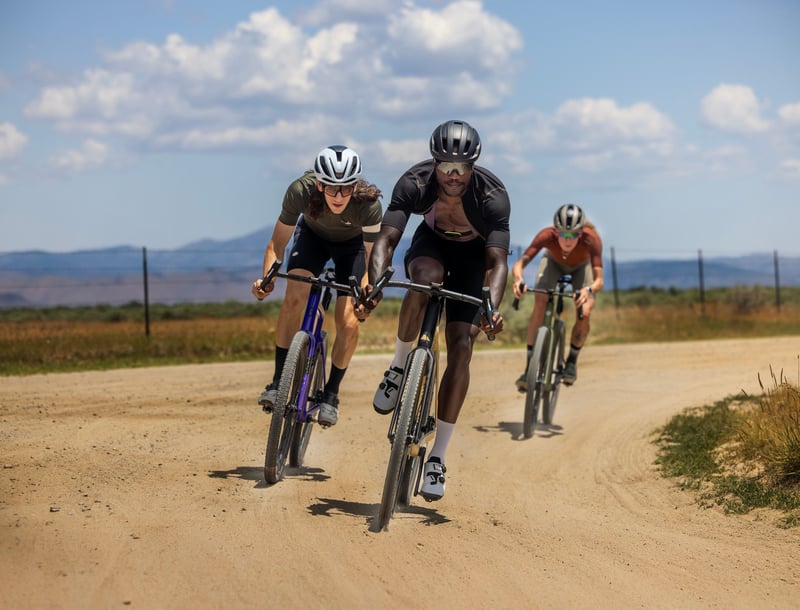
What is a Triathlon? Everything You Need to Know Before Triathlon Competing
If swimming, cycling or running alone isn’t challenging enough, triathlon takes endurance sports to the next level by combining all three disciplines in a single race. Athletes must manage their energy, speed and physical strength from the start line to the finish.
For beginners, triathlon might seem daunting due to the preparation involved. But once you understand the race format, distances, equipment, and training methods, getting started is straightforward. In this article, Garmin guides you through the basics: what triathlon is, how races work, the various distances, and how to prepare. This ensures you step onto your first triathlon track with confidence.
This article aims to deepen your understanding of triathlon and help you prepare for upcoming training and race challenges.
- What is triathlon?
- What does triathlon involve?
- How many distances are there in triathlon?
- Advantages of participating in triathlon
- How to prepare before entering a triathlon
What triathlon injuries should you never ignore?
What is Triathlon?
Triathlon is a multisport event that combines three endurance disciplines: swimming, cycling, and running. Athletes compete in a continuous sequence, switching gear in the Transition Area between each leg. The time taken for these transitions is included in the overall race time.
What does triathlon involve?
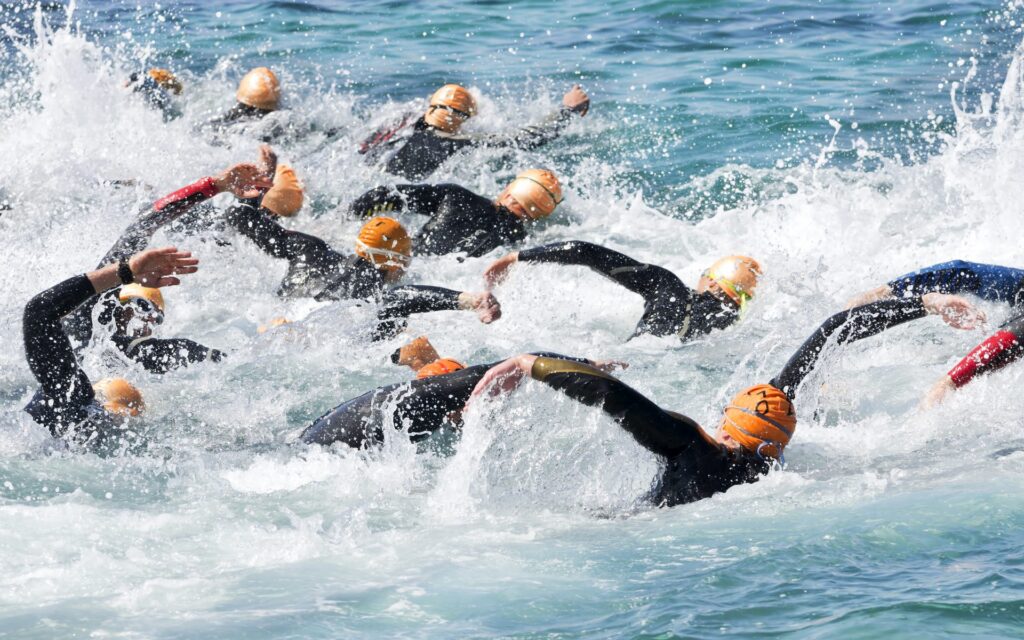
Triathlon consists of three continuous disciplines: swimming, cycling, and running. Each stage requires distinct skills and energy management strategies.
- Swim kicks off the race, typically in open water like seas, lakes, or reservoirs. Athletes must pace themselves well to conserve energy for the next leg. Bike begins after exiting the water into the transition zone to swap gear before cycling the set route. Riders need to maintain speed while managing energy effectively. Run is the final stretch to the finish line. After cycling, athletes must adjust their bodies to running, relying on strength, endurance, and good pace control until the race ends.
How many distances are there in triathlon?
Triathlon competitions are divided by distance to accommodate everyone, from beginners building their fitness base to top-level professionals. Here are the categories.
- Sprint Distance The shortest, punchiest test, perfect for beginners building experience and mental resilience. Standard or Olympic The official international benchmark used to showcase skills at the Olympic Games. Half Ironman (70.3) The halfway mark proving your endurance as an ironman enthusiast tackles longer distances. Full Ironman (140.6) The ultimate, prestigious challenge testing the physical and mental limits of every ironman.
Summary table comparing the distance of each stage in the triathlon competition
| Race Distance | Swim | Cycle | Run | Total Distance | Approx. Finish Time* |
| Super Sprint | 400 m | 10 km | 2.5 km | 12.9 km | 45 mins–1 hr 30 mins |
| Sprint | 750 m | 20 km | 5 km | 25.75 km | 1 hr 15 mins–2 hrs |
| Standard (Olympic) | 1.5 km | 40 km | 10 km | 51.5 km | 2 hrs 30 mins–4 hrs |
| IRONMAN 70.3 | 1.9 km | 90 km | 21.1 km | 113 km | 4 hrs 30 mins–8 hrs 30 mins |
| IRONMAN Full | 3.8 km | 180 km | 42.2 km | 226 km | 9–17 hrs |
Note: The listed times are approximate examples only. Actual durations vary based on fitness level, experience, route, weather, and event-specific rules. Some races may impose cut-off times different from those shown in the table.
Benefits of participating in triathlon
Switching sports training programmes can bring many benefits, as follows:
- Build endurance fitness Swimming, cycling, and running enhance cardiovascular health and the stamina needed for long-distance races. Vary training methods Switching between these sports distributes physical stress. Swimming and cycling offer low-impact workouts compared to running, but manage volume carefully to avoid overuse injuries. Set goals and build discipline Preparing for multi-discipline sports helps athletes plan systematic training and track progress effectively. Join a like-minded community Group training or triathlon events foster experience sharing, technique exchange, and mutual motivation among athletes.
How to Prepare Before Competing in a Triathlon
Before your first triathlon, preparing your body, gear, and nutrition properly will help you handle all three segments more effectively and enjoy every stage from start to finish.
- Get ready for all 3 sports Schedule training for swimming, cycling, and running. Add Brick Workouts—cycling straight into running—to help your body adjust to the movement changes before the actual event.
- Prepare your gear Choose equipment suitable for each leg. Use a multisport smartwatch like the Garmin fēnix 9, Forerunner 570, or Forerunner 970 to track training data such as distance, heart rate, pace, and speed across activities seamlessly.
- Plan your nutrition and energy Train with water, carbs, and electrolytes suited to your race distance and intensity. If using energy gels or electrolyte drinks, test them during training to see how your body reacts.
Triathlon: Which Injuries Shouldn’t Be Ignored?
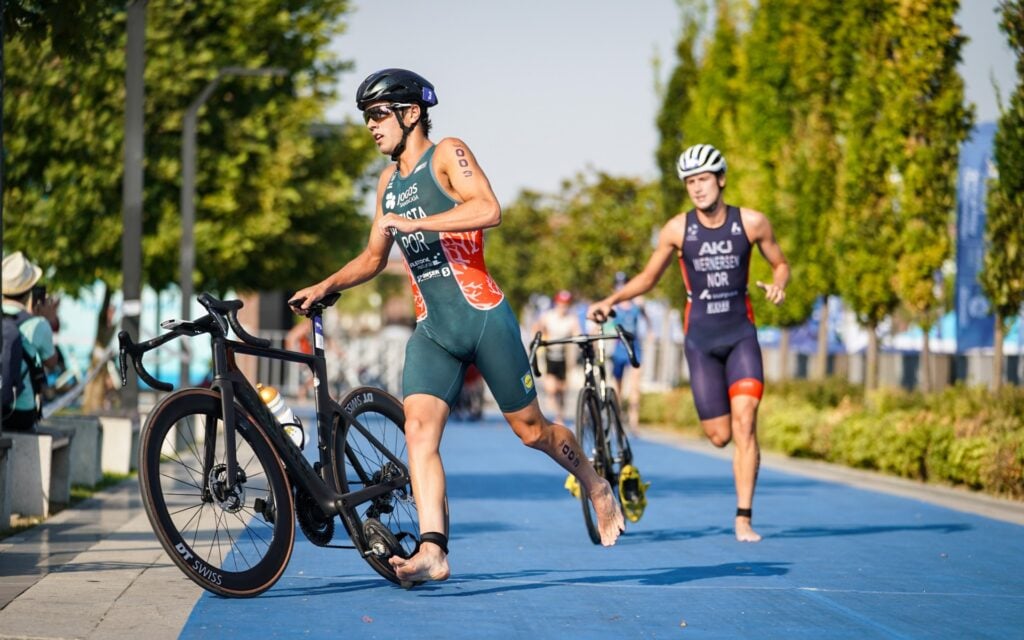
Triathlon demands continuous physical effort across swimming, cycling, and running. Overtraining, insufficient rest, or poor technique can raise injury risk. Watch out for these warning signs:
- Training-related injuries like shoulder pain from repeated swimming or IT Band Syndrome causing outer knee pain, often seen in long-distance cycling and running. During competitions, issues such as calf or thigh cramps may arise due to muscle fatigue, excessive sweating, or poor fluid and energy management. Post-race symptoms include plantar fasciitis-related foot pain, ankle soreness, or accumulated muscle fatigue from continuous exertion throughout the event.
Reaching the triathlon finish line doesn’t start on race day. It comes from consistent training. Know how to pace yourself for swimming, cycling, and running. Listen to your body: push hard or rest each day. Whether you’re starting with Sprint distance or preparing for longer races, every step in your progress comes from solid preparation.
For those tracking triathlon training across all three sports, we recommend the Forerunner 570, Forerunner 970, and Garmin fēnix 9 Series. These devices support Multisport and Triathlon modes, logging swimming, cycling, running, and transition times in a single session. This ensures seamless triathlon tracking. Additionally, Training Readiness assesses daily readiness using training load, recovery, sleep, and HRV data. This helps you plan whether to train hard or reduce intensity. Coupled with the Garmin Triathlon Coach, which plans specific swim, bike, and run workouts, these watches track progress and adjust training for your chosen competition.
For cyclists seeking deep performance data, compatible Garmin smartwatches pair with accessories like Edge cycling computers, Rally power meters, or Tacx trainers. Those wanting detailed HRV and running dynamics insights should consider the HRM-600. This premium heart rate monitor provides precise data analysis and supports swimming up to 5ATM.
When you have data to track both your training and recovery, you can plan more accurately and confidently take yourself from the starting line to the finish line.
**Frequently Asked Questions**
Q: Triathlon How many minutes or hours does it take?
A: Triathlon duration depends on the event distance and racer speed. Typically, sprint events take 1–2 hours, while Ironman distances last 8–17 hours or more. Total time also varies based on swimming, cycling, running segments, and transition times between disciplines.
Q: Can I compete in a triathlon if I’m not a strong swimmer?
A: You can join, but we recommend building a solid swimming foundation first, especially for Open Water events. Beginners should start with pool training before moving to open water practice in a safe environment, then try short-distance races.
Q: Can I race on a mountain bike?
A: Some events allow mountain bikes, making them ideal for beginners wanting to try racing without buying a new bike. However, road or triathlon bikes are better suited for speed and long-distance rides. Always check the event rules before registering.
Q: How many months of practice does a beginner need before joining a Sprint?
A: If you already have a fitness base, plan your training 12–16 weeks ahead to prepare for swimming, cycling, running, and triathlon transitions.
Q: How much does it cost to start triathlon?
A: Your budget depends on the gear you already own. If you have a bike and running shoes, start with basics like workout clothes, swim goggles, and a cycling cap. Then, upgrade your equipment as your goals and training commitment grow.


