Complete Guide to Golf Laser Rangefinder FAQs for Beginners and Advanced Golfers
A golf laser rangefinder has become an essential tool for modern golfers on the course. However, with so many specifications and technical terms on the market, many players still have questions when choosing and using a golf rangefinder.
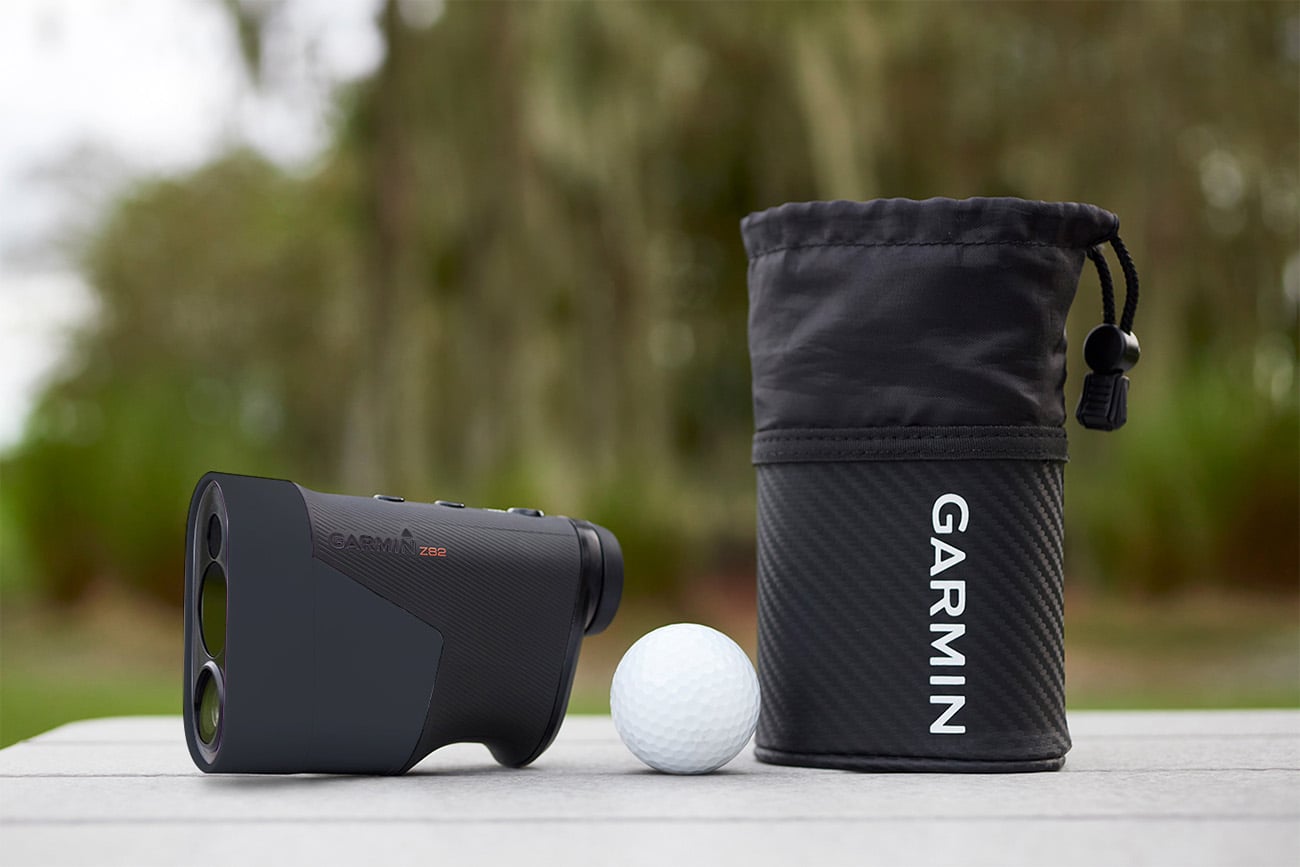
With the recent addition of the compact and highly capable Garmin Approach Z10, there are more smart options than ever.
This complete guide covers the most common questions about golf laser rangefinders, including buying tips, on-course usage, tournament rules, and how new devices fit into the Garmin ecosystem.
I. Core Features and How a Golf Laser Rangefinder Works
Q1: What are “PinSeeker”and vibration lock features, and why are they important?
Golf courses often have complex backgrounds with trees and obstacles behind the green. Beginners may accidentally measure the trees instead of the flagstick. Advanced golf rangefinders use smart algorithms to filter background interference and prioritize the nearest small target — the flagstick.
- The Approach Z10 Advantage: The new Approach Z10 features a dedicated Flag Finder that provides both visual confirmation and vibrational feedback once you’ve successfully locked onto the pin, ensuring you never second-guess your target.

Q2: What is slope compensation? What’s the difference between actual distance and adjusted distance?
Elevation changes significantly affect golf ball trajectory. Uphill shots usually require more distance, while downhill shots require less.
Slope compensation technology automatically calculates elevation-adjusted distance to provide a more realistic “plays like” distance.
For example, Garmin’s PlaysLike Distance feature:
- If the actual distance is 106 yards with a 12-foot uphill slope, the device may recommend playing it as 108 yards.
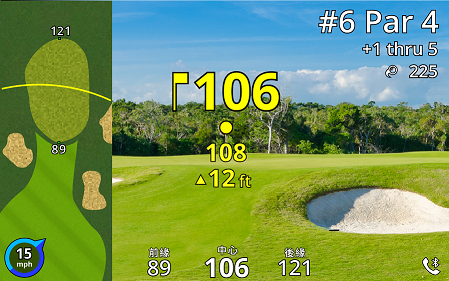
This feature is especially useful on hilly golf courses.
💡 Recommended Reading from Garmin Technology: Want to know the science behind a better round of golf? Discover how the PlaysLike Distance feature adjusts your flat yardage based on whether your target is uphill or downhill. You can also explore Garmin’s Distance Measurement Devices & GPS Technology to see how GPS and lasers are combined to pinpoint your location and show precise distances to greens, hazards, and more.
Q3: What’s the difference between a golf rangefinder and an industrial or hunting rangefinder?
Although both devices use laser measurement technology, their internal algorithms are very different.
- Industrial or hunting rangefinders: Designed to lock onto large targets such as mountains, buildings, or animals.
- Golf laser rangefinders: Designed with flag-lock technology to detect small flagsticks accurately, even with trees in the background. Using a non-golf rangefinder on the course can easily result in measuring the wrong target.
II. Golf Rangefinder Usage and Tournament Rules
Q4: Can golf rangefinders be used during tournaments?
According to R&A and USGA Rule 4.3a, golfers may use rangefinders during tournaments if they only measure straight-line distance.
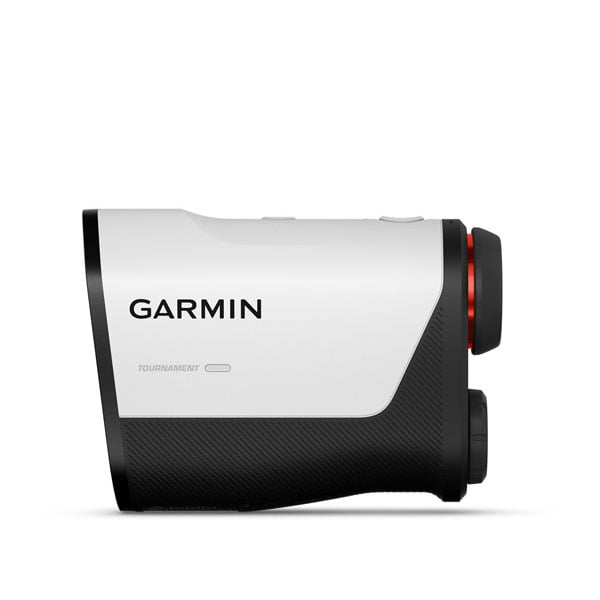
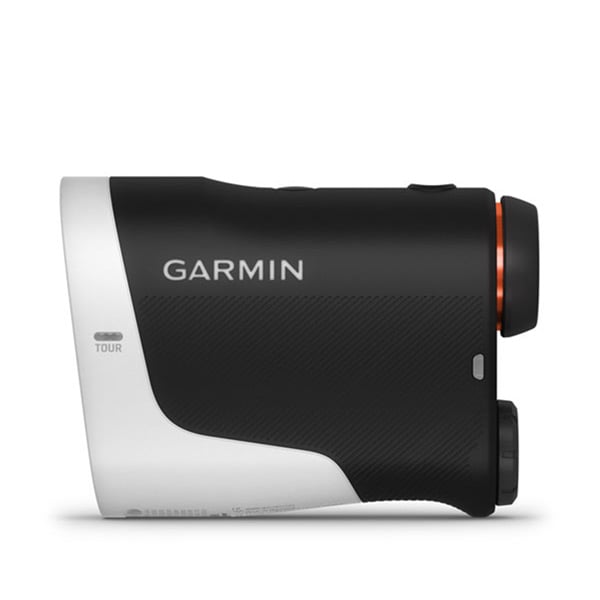
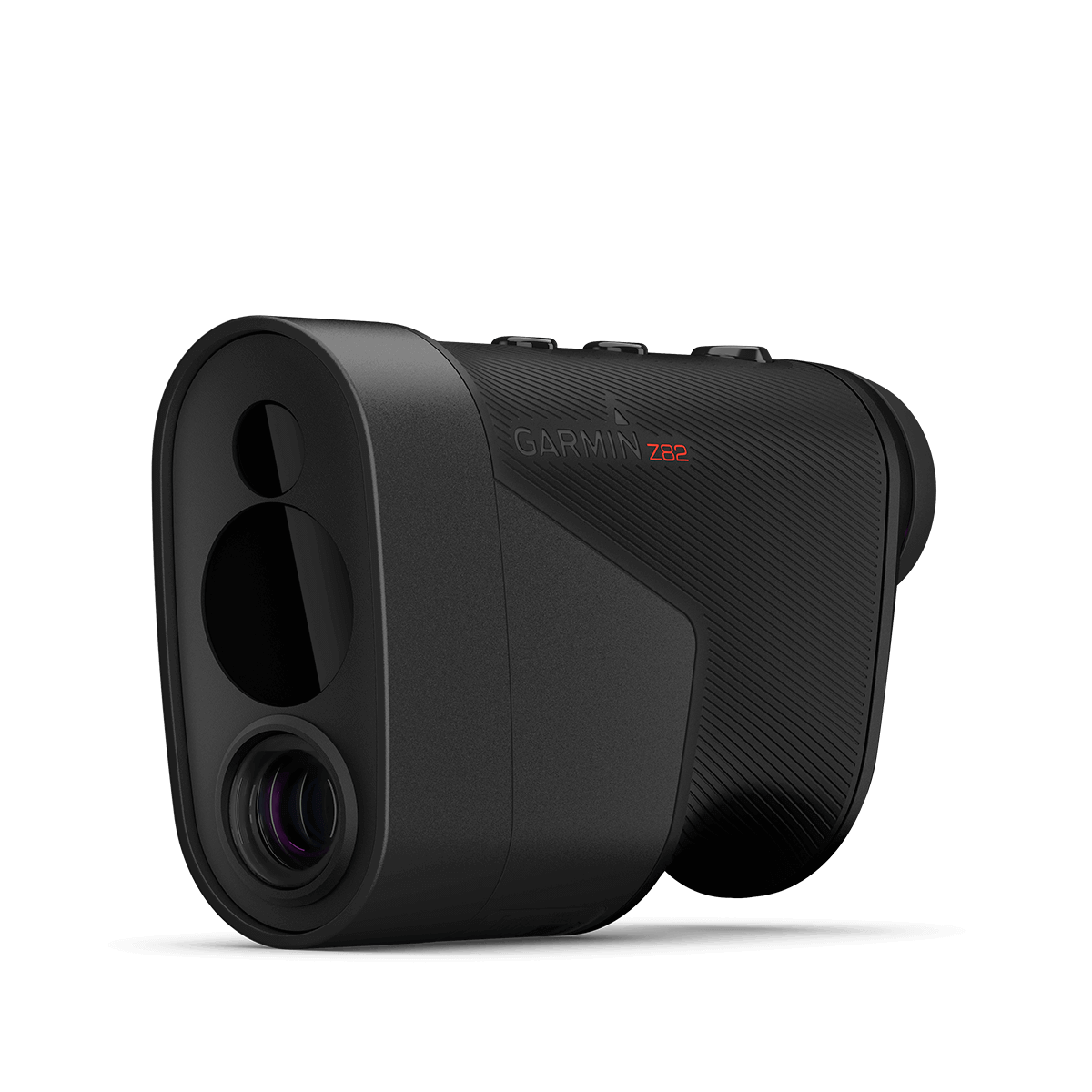
Since slope mode is prohibited during tournament play, premium golf rangefinders like the Garmin Approach Z82 come equipped with a visible Tournament Mode indicator light to show the feature is disabled.
- When slope compensation is disabled, a visible blue light confirms tournament compliance.

Q5: Is higher optical magnification always better?
Not necessarily. Higher magnification (7x and above) brings distant targets closer but narrows the field of view and amplifies hand shake. 6x optical magnification is widely considered the ideal balance, offering clear and stable viewing with faster flag locking.
Higher magnification (7x and above):
- Brings distant targets closer
- Narrows the field of view
- Amplifies hand shake
6x optical magnification:
Widely considered the ideal balance for golf rangefinders.
- Clear and stable viewing
- Faster flag locking
- Better overall user experience
Q6: Will magnetic mounts interfere with GPS accuracy?
Some golf laser rangefinders use magnetic mounts for golf carts. While premium hybrid devices with internal GPS (like the Z82) often avoid strong magnetic designs, pure laser rangefinders can greatly benefit from them.
The Approach Z10 Advantage: The Approach Z10 features a built-in magnetic cart mount, which makes for extremely quick and convenient ranging when you are riding in a golf cart.
III. Buying Tips and Golf Rangefinder Maintenance
Q7: What should I do if the lens fogs up or the device gets wet?
If your hands shake easily or you frequently play in windy conditions, image stabilization can greatly improve accuracy and targeting speed.
The Approach Z10 Advantage: The Z10 features an IPX4 water rating, meaning it can easily handle splashes and morning dew. Plus, it runs on a replaceable CR2 battery that provides up to 1 year of play, so you rarely have to worry about running out of power.
Q8: What happens if I leave my rangefinder on the course?
It happens to the best of us! If you misplace your device, both the Approach Z82 and the new Approach Z10 offer the Find My Garmin feature. When paired to the Garmin Golf smartphone app, you can easily use this feature to locate your rangefinder if it gets left behind on the fairway or in a golf cart.
IV. Advanced Golf Rangefinder Technology
Q9: What are the advantages of combining a laser rangefinder with the Garmin Ecosystem?
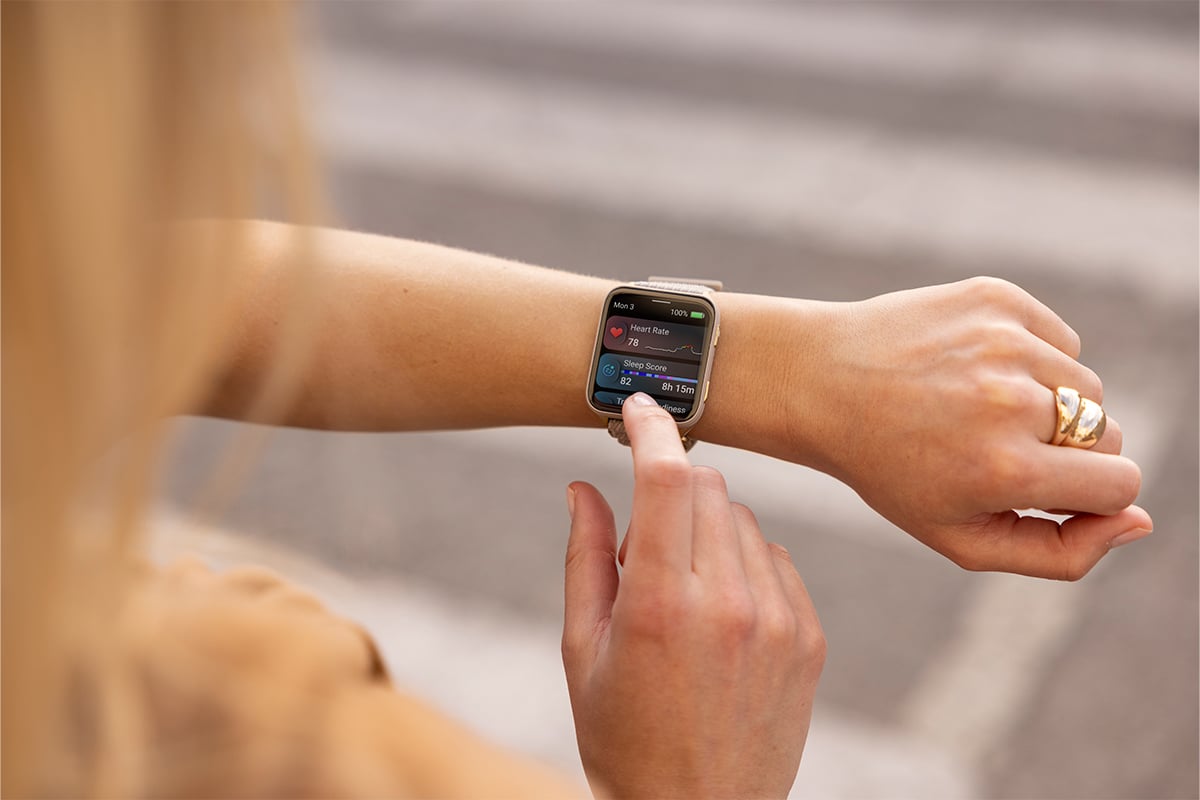
- The Approach Z10’s Range Relay: One of the most exciting features of the Approach Z10 is Range Relay. It syncs the ranged distance to the pin directly with your compatible Garmin smartwatch, handheld, or the Garmin Golf smartphone app. Not only can you see the distance from the pin to the front and back of the green directly through the Z10’s viewfinder, but your connected watch or app will also display a laser range arc that reveals everything in play based on that exact measurement.
Whether you are seeking the ultimate GPS-hybrid experience with the Z82 or the lightweight, highly connected, and completely magnetic convenience of the new Approach Z10, Garmin’s golf ecosystem removes the guesswork and helps you plan your perfect approach.
Q10: What is real-time wind speed and wind direction support?
Wind is one of the biggest factors affecting golf shots.
Advanced golf GPS rangefinders can connect to smartphone apps such as the Garmin Golf App via Bluetooth to display:
- Real-time wind speed
- Wind direction
This helps golfers make smarter club selection and shot strategy decisions.
💡 Recommended Reading from Garmin Blog & Technology: Tired of guessing which golf club to use because you can’t tell where the pin is, or struggling to account for the wind? Read the Garmin Blog: “What’s the Best Garmin Golf Laser Rangefinder for You?”. Also, dive into our Garmin Technology pages to learn how smart devices pull real-time wind speed and direction data based on your current location to help you beat the wind and plan the perfect shot.
Q11: What are the advantages of a GPS + laser rangefinder combo?
Hybrid golf rangefinders combine:
- Ultra-accurate laser measurements
- GPS course mapping and aerial course view
Traditional golf rangefinders only provide point-to-point distance.
Hybrid GPS golf rangefinders provide complete course management information, making them a preferred choice for advanced golfers who value strategy and precision.
🎯 Advanced Blind Shots & Strategic Extended Reading:
- Beyond Rangefinders: How to Leverage Scientific Big Data to Connect a Comprehensive Golf Training System? “Garmin Approach Golf Ecosystem: The Most Comprehensive Golf Sports Science System!”。