What is Strength Training? Benefits, Types, and How to Do It
Many start exercising with running or cardio because it’s easy to follow and boosts energy. But after a while, they may want a stronger body — lifting easier, walking steadier, and burning calories better daily. That’s why strength training is gaining interest among those seeking to improve physique, health, and long-term quality of life.
In this article, Garmin will guide you through the basics of strength training, what it involves, and its benefits. We’ll also recommend workout programs and ways to track progress via a smartwatch to help you achieve your goals in every training session.
This article will take you to know…
- What Is Strength Training?
- What Are the Benefits of Strength Training?
- How Many Calories Does Strength Training Burn?
- Which Muscles and Systems Does Strength Training Target?
- How to Perform Strength Training Correctly?
- What Types of Strength Training Are There? Who Is It For?
- What Precautions Should You Take with Strength Training?
- What Are the 5 Basic Strength Training Moves?
- How to Integrate Strength Training into Your Program?
- How to Track Your Strength Training Progress?
- Summary: Start Strength Training Confidently with Garmin
- Frequently Asked Questions About Strength Training
What is Strength Training?
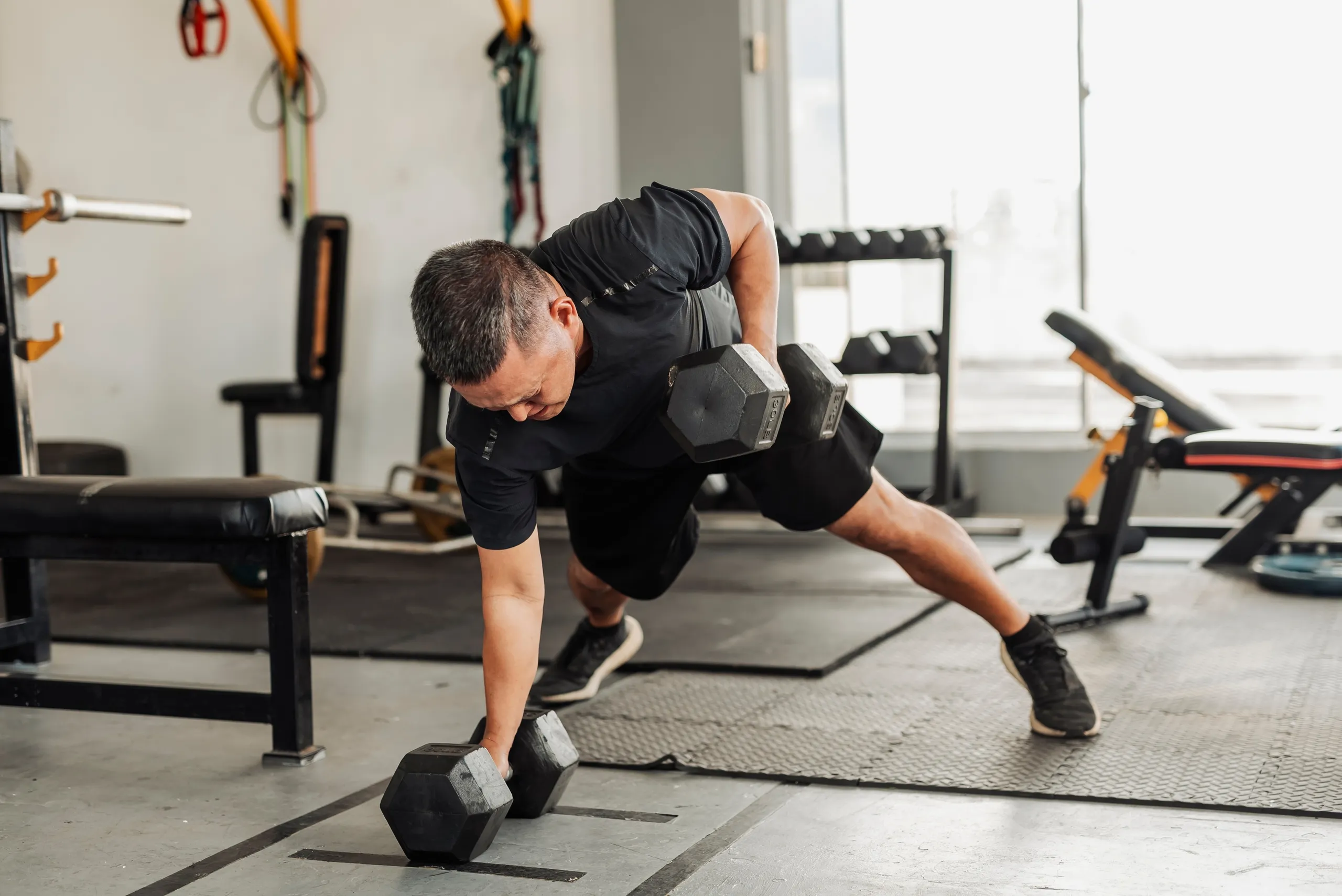
Strength training is a workout style that uses resistance to push muscles beyond their usual limits. This can involve your body weight, dumbbells, barbells, or gym equipment. It boosts strength, builds muscle mass, and enhances physical power. When muscles face proper resistance repeatedly, they repair and adapt, becoming stronger. This helps you lift heavier loads, move better, and achieve a more toned physique.
What are the benefits of Strength Training?
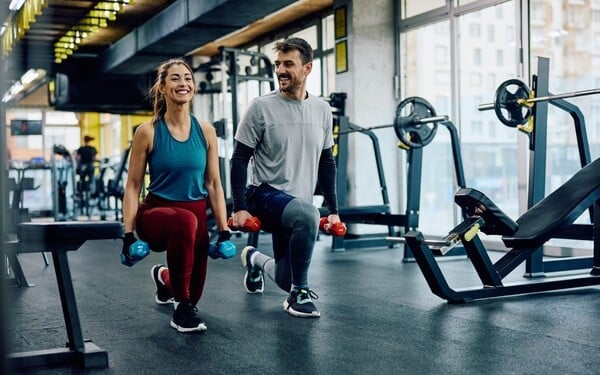
Strength training isn’t just about building more defined muscles; it also positively impacts various body systems. Here are the benefits of strength training.
- Builds muscle mass and bone density to keep your body strong and lower the risk of osteoporosis as you age. Speeds up metabolism, burning fat even at rest. Strength training helps increase or maintain muscle mass, which may slightly boost energy use during rest over time. However, fat loss depends on calories consumed, daily activity, exercise, and rest—not just the afterburn effect or muscle alone. Reduces injury risk and supports movement. Stronger muscles and joints help handle daily activities better, lowering the chance of injury from poor posture or improper strain. Slows age-related muscle loss. Strength training helps prevent sarcopenia, keeping your body strong and movement fluid as you grow older.
How many calories does strength training burn?
Strength training burns around 180–500 calories per hour, influenced by three main factors: body weight, exercise intensity, and rest time between sets. Those who perform compound movements and take shorter breaks expend more energy than those who lift heavy weights and rest longer, even if the training duration is the same.
| Approximate Body Weight | Moderate Intensity | High Intensity |
| 57 kg | About 180 calories/hour | About 360 calories/hour |
| 70 kg | About 225 calories/hour | About 430 calories/hour |
| 84 kg | About 265 calories/hour | About 505 calories/hour |
These figures come from Harvard Health Publishing, noting that moderate weightlifting for 30 minutes burns about 90, 112, and 133 calories, depending on body weight. Heavy lifting in the same duration burns roughly 180, 216, and 252 calories. However, actual calorie burn during real workouts with rest periods between sets is usually slightly lower than these estimates.
After finishing a workout, your body still needs extra oxygen to return to normal. It replenishes energy stores, regulates temperature, and repairs muscles. This process is called EPOC, or the Afterburn Effect. It keeps your body burning calories even after you stop exercising. Experts estimate it accounts for about 10% of the calories burned during the session. If you burn 300 calories, you might burn another 30 afterward. This number increases with more total work or shorter rest periods between sets.
Strength Training: Which Muscles and Systems Does It Target?
Strength training builds overall muscle strength by working multiple muscle groups at once. Compound lifts are especially effective since they engage several muscles simultaneously, boosting power, muscle mass, and real-life physical performance. Focus on these key muscle groups:
- Upper (Top Part) Chest, shoulders, back, and arms.
- Lower (Bottom Part) Legs, hips, and buttocks.
- Core (Midsection) Abdominal and lower back muscles that help support the body.
What Are the Best Strength Training Exercises? 5 Simple Moves You Can Do
5 basic strength training moves covering the upper body, lower body, and core. All are compound exercises that engage multiple muscle groups simultaneously, making them the cornerstone of almost every training program.
| Exercise | Primary Muscles | Common Mistakes |
| Squat | Quads, glutes, core | Knees caving in, lower back rounding |
| Deadlift | Back, glutes, hamstrings | Lifting with back instead of hips |
| Bench Press | Chest, front delts, triceps | Elbows flaring too wide, lifting hips |
| Row | Mid and upper back | Using body momentum to pull |
| Overhead Press | Shoulders, triceps, core | Arching lower back to push weight up |
All five of these will serve as the core of our 4-week program in the next topic. Always start with weights that allow you to maintain proper form every time. If you’re unsure about any movement, consult a trainer or study the technique further before adding more weight.
How to Do Strength Training Correctly?

To get effective and safe strength training results, it’s essential to prioritize proper technique and form over rushing to add more weight. Here are the key methods Garmin recommends for both beginners and regular strength trainers.
- **Warm up and activate before training.** Warm up your joints and muscles before lifting weights to prepare the body and reduce injury risk.
- **Focus on compound movements.** Exercises like Squats, Deadlifts, Presses, and Rows engage multiple muscles, building functional strength for daily life.
- **Set sets, reps, and load based on goals.** For strength, use heavy weights with fewer reps (1–6). For muscle growth, aim for 8–12 reps.
- **Master form before adding weight.** Proper form is key to effective training and injury prevention, ensuring muscles work correctly.
- **Rest between sets according to your goal.** For max strength with heavy loads, rest 2–5 minutes to let your nervous system recover. For hypertrophy (8–12 reps), rest 60–90 seconds. If you can’t complete reps or form breaks, increase rest time.
What are the types of Strength Training? How many categories are there, and who are they suitable for?
For strength training, there are several formats to choose from based on your readiness, equipment, and goals. Whether you’re a beginner starting with bodyweight exercises or someone aiming to build maximum strength, the types of strength training can be summarized as follows.
| Type | Equipment | Best For |
| Bodyweight Strength Training | No equipment needed | Beginners or home exercisers |
| Free Weight Training | Dumbbells and barbells | Those seeking continuous strength gains |
| Machine-Based Training | Gym machines | Beginners wanting safety and controlled movements |
| Functional Strength Training | Kettlebells, resistance bands, TRX | Those building real-life daily strength |
| Powerlifting | Barbells, weight plates, power rack, bench, lifting belt | Experienced lifters aiming for max strength or competition |
| Olympic Weightlifting | Olympic barbells, bumper plates, platform, lifting shoes | Those developing power under expert coach guidance |
What Should You Watch Out for in Strength Training?
While strength training benefits the body by boosting its resilience, there are important precautions that fitness enthusiasts should keep in mind.
- Practicing poor form: Incorrect technique increases injury risk, especially for multi-joint movements. Start light and focus on proper form first. Using too much weight: Ignoring your body’s readiness can overstrain joints, tendons, and muscles. Skip
How to Incorporate Strength Training Into Your Program
For beginners, start with full-body workouts two to three times a week. This schedule allows your body to learn proper form, adjust gradually, and recover enough. The four-week plan below increases intensity based on your readiness, helping you train consistently and avoid injuries during exercise.
| Week | Frequency/Week | Main Focus | Sets × Reps |
| Week 1 | 2 days | Learn form with light weights | 2 sets × 10–12 reps |
| Week 2 | 2–3 days | Get used to compound moves | 3 sets × 10 reps |
| Week 3 | 3 days | Add slight weight increase | 3 sets × 8–10 reps |
| Week 4 | 3 days | Test progress and adjust plan | 3 sets × 8 reps |
Note: This program is an example for healthy adults without medical restrictions. Choose a weight where you can fully maintain proper form every time, and do not need to increase the weight according to the chart if you’re still not stable with the movement.
How to Track Strength Training Results

Measuring progress is what truly shows your development, whether it’s an increase in your 1RM (the heaviest weight you can lift once), volume load, time spent in the right heart rate zone, or your readiness to recover. These metrics help you know exactly when to add more weight and when to take a break, preventing overtraining.
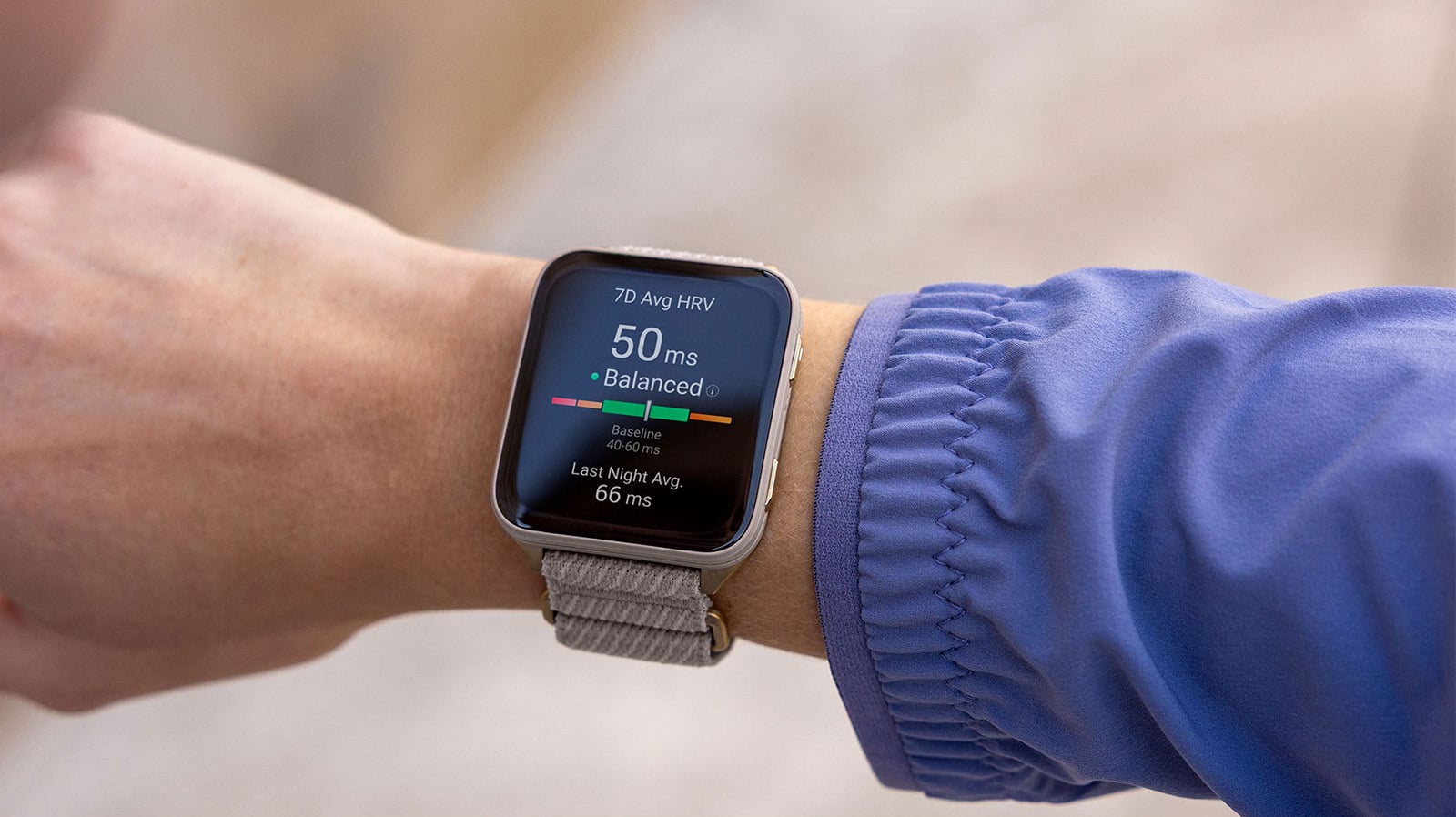
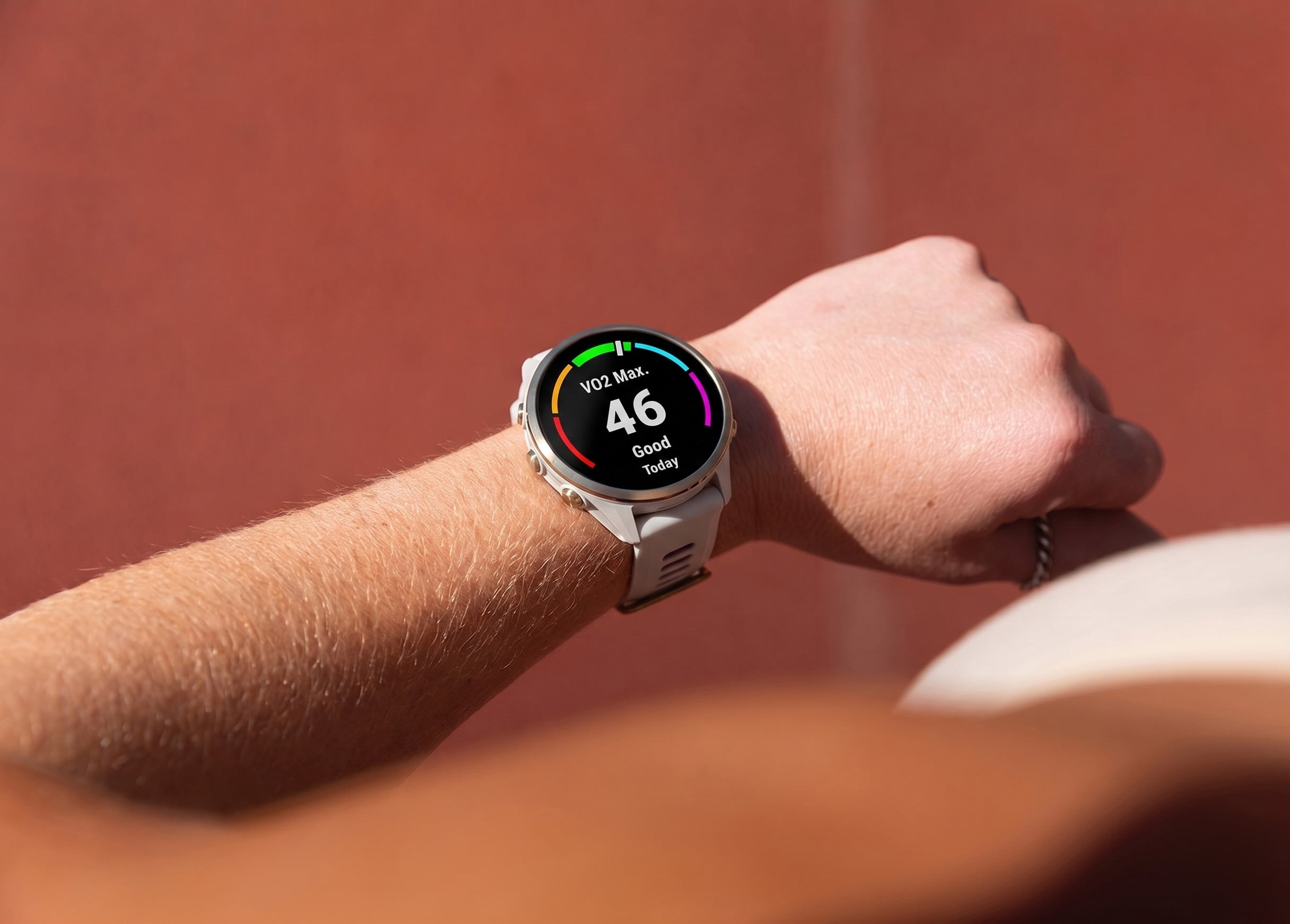
For those who do regular strength training, most Garmin watches offer an automatic Reps and Sets tracking mode. However, if you’re looking for a workout that blends strength and cardio—known as hybrid training—a multisport smartwatch like the Garmin fēnix 8 or the new Garmin fēnix 9 will help make your training monitoring more systematic.
With a training mode that supports both strength and cardio workouts, you can adjust your routines to better suit your personal goals. It features animated exercise demonstrations, muscle group charts, and sport-specific strength training that guides you to target the right muscles for each sport.
For those serious about hybrid training and aiming for competitions, features like Garmin Coach help tailor strength and endurance plans. Training Load and Training Readiness track workout intensity and daily readiness, guiding when to push harder and when to rest for recovery.
Summary: Start Strength Training with Confidence Using Garmin
It’s clear that strength training isn’t just about building muscle. It’s a long-term investment in your body. It boosts strength, improves body shape, supports metabolism, and helps you move more easily in daily life. Start with proper form, gradually increase weight, and allow time for recovery. Each workout brings you closer to lasting health and fitness.
As strength training gets more serious, having data helps you understand your body and plan more accurately. The Garmin fēnix 8 is a great tool for strength athletes because it automatically counts reps and sets via Strength Activity Tracking. You can also view Training Load and Training Readiness data to adjust intensity and recovery for each session.
**Commonly Asked Questions**
Q: How does Strength Training differ from Weight Training?
A: Weight training means exercising using external weights as resistance. Strength training, on the other hand, covers bodyweight, resistance bands, dumbbells, barbells, and gym machines. In simple terms, weight training is just one part of strength training.
Q: How many days a week should beginners start strength training?
A: Beginners should start strength training 2–3 days a week. Design your routine with rest days to let muscles recover. As you get stronger and familiar with proper form, gradually increase frequency or weight.
Q: Can Strength Training Really Help You Lose Weight?
A: It helps, but it’s not the main driver. Weight loss still relies on consuming fewer calories than you burn. Strength training shines by preserving muscle mass during dieting. So, you lose more fat than muscle, leading to a tighter look compared to cardio alone. The Afterburn Effect (EPOC) is real, but it accounts for only about 6–15% of calories burned during the session. If you burn 300 calories, you might burn an extra 20–45 afterward. It’s not as significant as many people believe.
Q: Will women get bulky from strength training?
A: It’s not as big as you might worry. Compared to the starting point, women can gain muscle almost like men, but the actual size increase in kilograms is much smaller due to much lower testosterone levels. Becoming a bodybuilder requires intense training, eating more than usual, and many years. Most people in the first year notice their body becomes more toned, not bigger.
Q: Can you do strength training at home without equipment?
A: Yes, you can do strength training without equipment using bodyweight exercises like squats, push-ups, lunges, and planks. These rely on your own body weight as resistance.
Q: Is strength training suitable for runners?
A: Strength training is another great option for runners. It builds up the leg, hip, and core muscles, helping to stabilize your running form and improve power output. This routine also lowers the risk of injuries from repetitive running. Aim to train one to two times a week to boost your running performance.