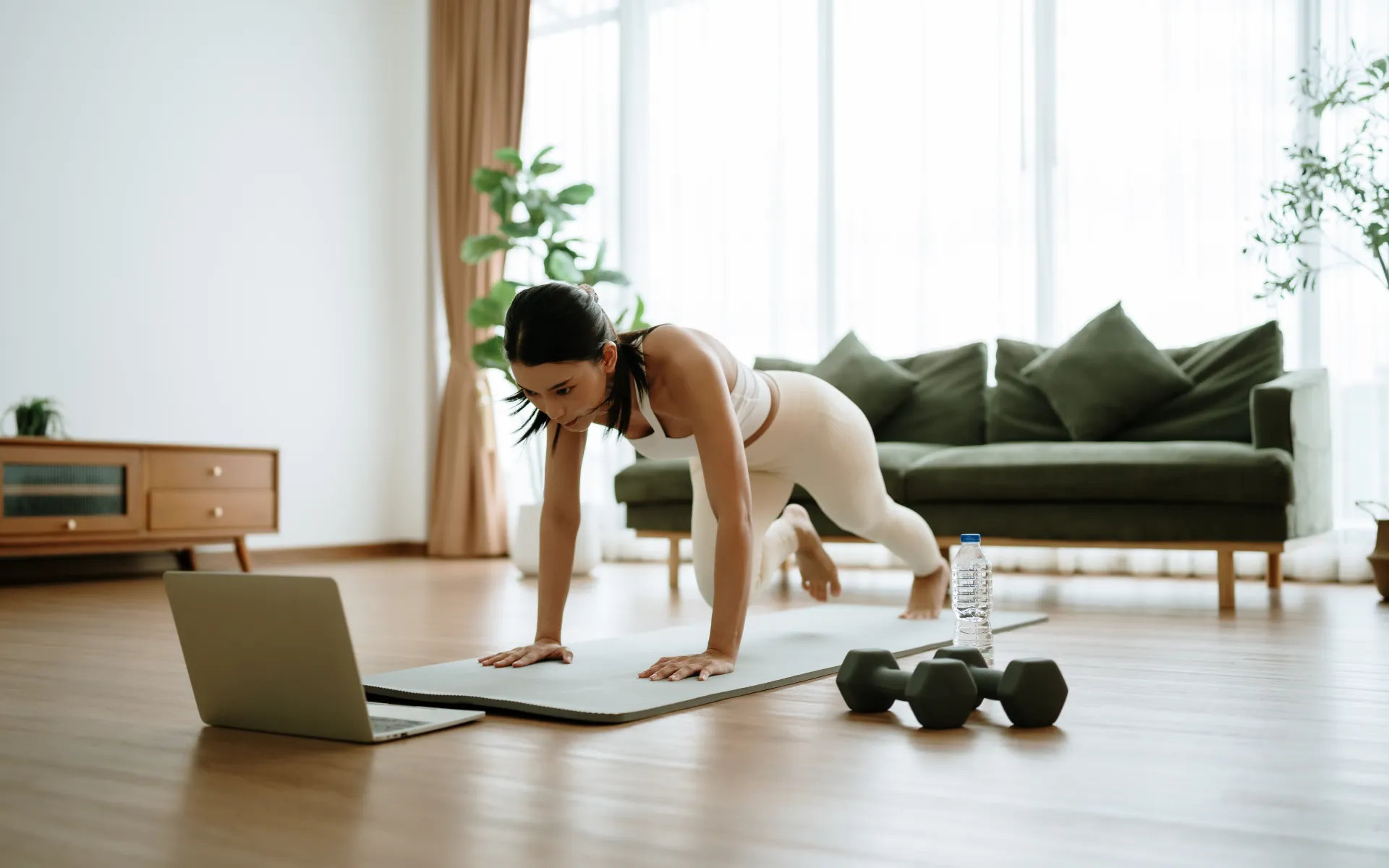
What is Body Weight Training? A Complete Guide to 10 Essential Muscle-Building Exercises and Everything You Need to Know Before Starting Your Fitness Journey
For those who want better health and are considering starting a fitness routine to build strength, but aren’t ready to join a gym or buy equipment, bodyweight training is a popular and effective alternative.
This article introduces bodyweight training. You can do it anywhere, anytime, without extra equipment. It also helps build muscle strength and teaches your body proper movement patterns. This foundation prepares you for weightlifting or more intense workouts later on.
This article will introduce you to the following key topics.
- What is bodyweight training?
- What are the benefits of bodyweight exercises?
- What is weight training?
- How do bodyweight and weight training differ?
- Which muscle groups can each train?
- Top 10 basic bodyweight moves to start at home
- Bodyweight vs. weight training: Which level suits you?
- Precautions for both training styles
- How to combine them in your workout plan
- How to track your training progress
- Enhance your bodyweight goals with Garmin
- Frequently Asked Questions
What is Body Weight?
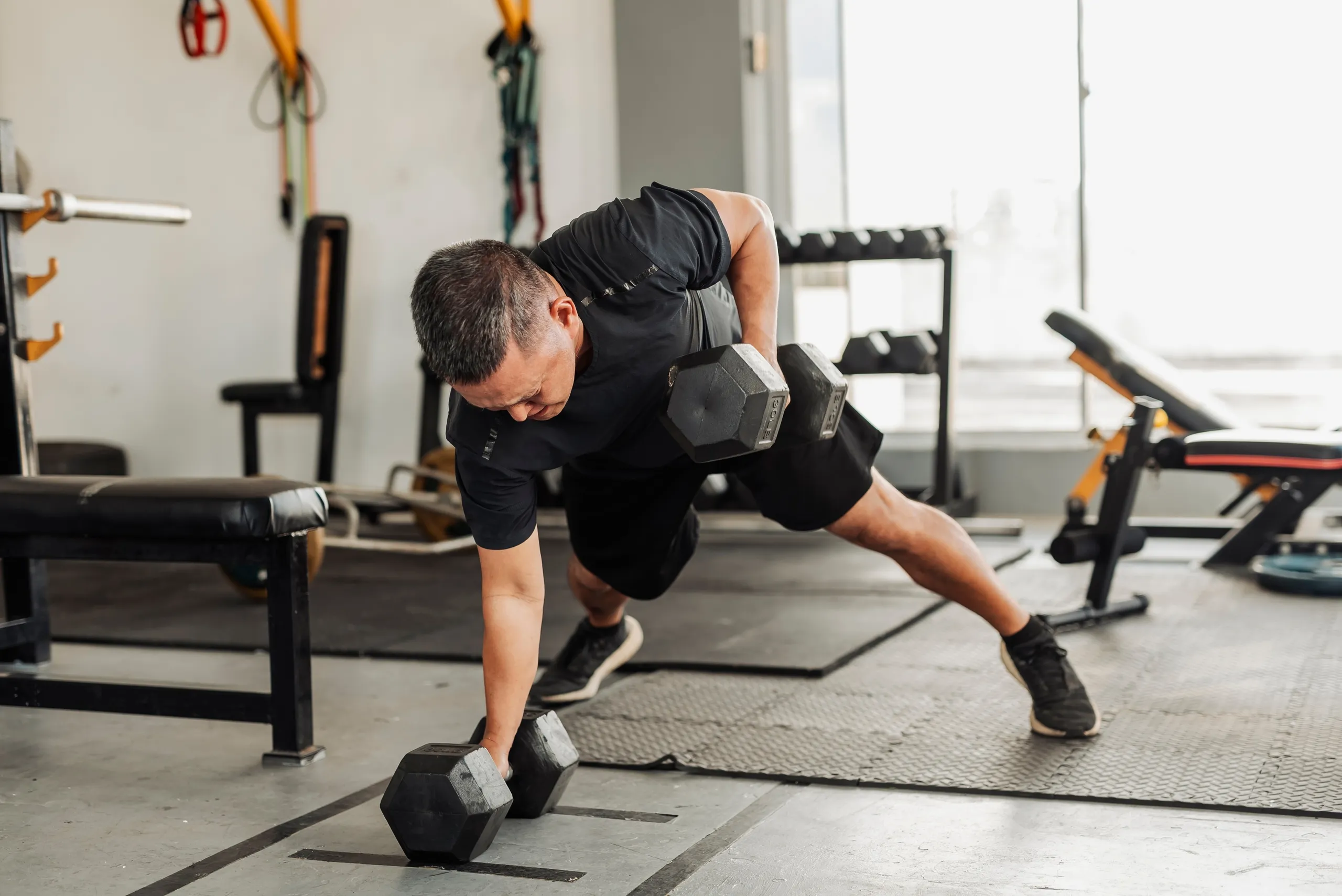
Body weight training uses your own mass as resistance instead of tools like dumbbells or barbells. It relies on gravity and body positioning to increase workout intensity. Key moves include push-ups, squats, lunges, and planks. A major benefit is that beginners can start easily. You can exercise anywhere and anytime. You can also adjust difficulty levels to match your personal fitness base.
What are the benefits of bodyweight exercises?
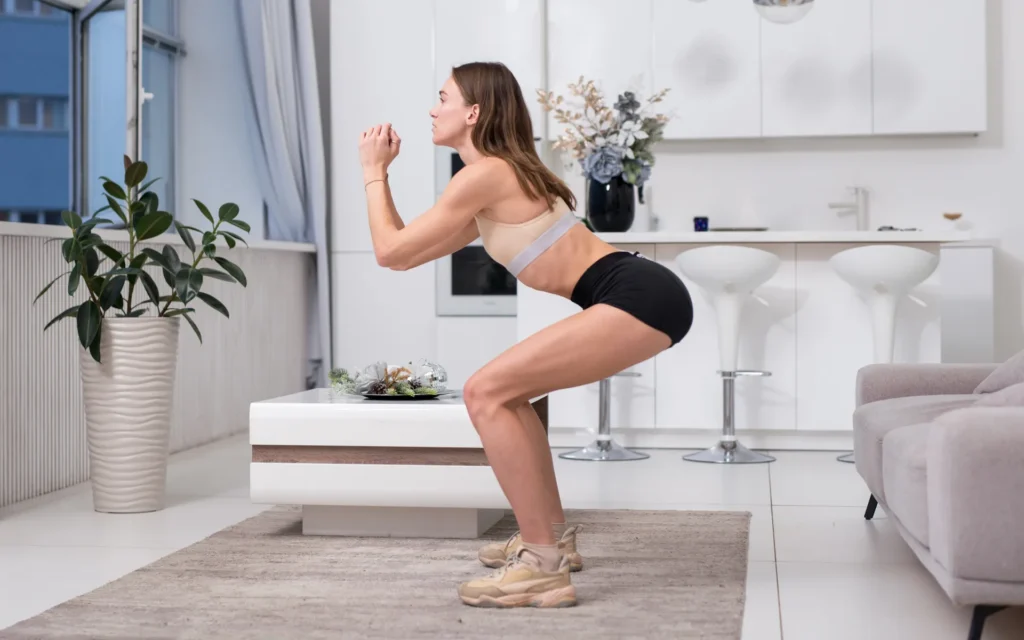
Bodyweight training offers more benefits than most people realize. It’s also a great starting point for those who want to take their fitness seriously. Here are the key advantages of bodyweight workouts.
- **Train Anywhere Without Equipment Bodyweight workouts use only your body’s weight for resistance, so you can start at home, in your condo, or while traveling without dumbbells or gym gear. Boost Strength and Balance Most bodyweight moves engage multiple muscle groups at once, helping improve overall strength, body control, and movement stability. Ideal for Beginners Before Weightlifting Training with your own weight helps you learn proper form, build a solid foundation, and get ready for heavier weight training later on.**
What is Weight Training?
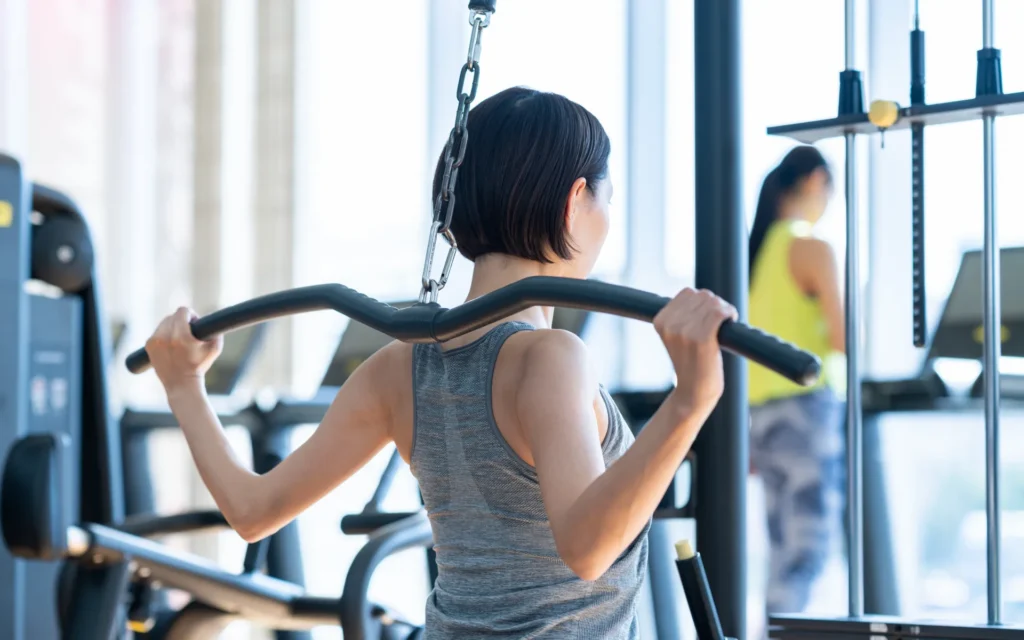
Weight training builds strength using resistance from tools like dumbbells, barbells, or gym equipment. This forces muscles to work harder and grow. Its main advantage is progressive overload and targeted muscle focus, making it ideal for building mass and boosting overall strength.
How is bodyweight training different from weight training?
What’s the real difference between bodyweight and weight training? Both use resistance to build muscle, strength, and mass. The main difference is that bodyweight relies on your own weight and posture, while weight training uses external weights or machines, making it easier to increase resistance in measurable increments.
| Comparison Topic | Bodyweight | Weight Training |
| Source of Resistance | Body weight and gravity | Dumbbells, barbells, machines, or other equipment |
| Increasing Weight | Adjust posture, movement range, tempo, reps, or stability | Add weight, reps, sets, or adjust tempo |
| Training Goals | Strength, muscle mass, balance, and body control | Strength, muscle mass, power, and muscular endurance |
| Where to Train | Easy to do in limited spaces | Can train at home or the gym, depending on equipment |
What muscle groups can bodyweight and weight training target?
Both bodyweight and weight training can help develop muscles throughout the body, but each has its own advantages, as follows.
- Bodyweight lets you train your entire body—upper parts like chest, shoulders, arms, and core, plus lower sections such as legs and hips—using compound movements that engage multiple muscle groups at once. Weight training offers more precise targeting of specific muscles, as you can choose the weight and exercises that focus exactly on the areas you want to build.
The key point is that bodyweight and weight training can be practiced together. There’s no need to choose just one. Use bodyweight exercises to build a solid foundation, improve flexibility, and enhance body control. Pair this with weight training to boost strength and develop specific muscle groups.
What Are Bodyweight Exercises? A List of 10 Basic Moves You Can Start at Home
Bodyweight exercises offer a wide variety, but you don’t need to train them all. Picking moves that hit the main muscle groups is enough. The 10 exercises below are grouped by body part. You can choose two or three per section to create a balanced workout session.
For beginners, we recommend starting with 2–3 sets of 8–12 reps per exercise. Hold each static pose for 20–40 seconds, resting 45–90 seconds between sets. Adjust the volume based on your fitness level. If form suffers, reduce reps rather than forcing completion.
Lower body bodyweight exercises (legs and hips)
**1. Bodyweight Squat** Stand with feet shoulder-width apart. Lower your hips as if sitting on a chair, keeping knees aligned with toes. Keep your back straight and lower until thighs are parallel to the floor, ensuring heels stay grounded. This is the foundation for almost everything. If you can’t go deep, start by sitting on a chair and standing up again.
**2. Reverse Lunge** Step one foot backward, lower your back knee until it nearly touches the ground, then push back up. Switch sides. The reverse version puts less pressure on the knees than forward lunges, making it a safer choice for those with a history of knee injuries.
3. Glute Bridge Lie on your back with knees bent and feet flat. Push your hips up until your body and thighs form a straight line. Squeeze your glutes, hold for a moment, then slowly lower. If you sit all day, include this in your routine. Your glutes often get little activation otherwise.
4. Step-Up Step up onto a sturdy step or chair, roughly knee-high. Push up using only one leg at a time. Avoid pushing off with the lower leg to assist. Descend slowly. Complete all reps on one side before switching to the other.
Upper-body bodyweight exercises (chest, shoulders, back, arms)
5. Push-Up Place your hands slightly wider than shoulder-width apart. Keep your body straight from head to heels, lower down until your elbows bend at about 90 degrees, then push back up. If this is too hard, place your hands on a table or sofa edge (known as an Incline Push-Up). The higher the surface, the easier the exercise. As you get stronger, gradually lower the height.
**6. Pike Push-Up** Start in a push-up position, but lift your hips up until your body forms an upside-down V shape. Then, lower your body so your head moves toward the ground between your hands. This exercise shifts weight from your chest to your shoulders, offering a great solution for those who want to train their shoulders but don’t have dumbbells.
7. Table Row (Inverted Row) Lie flat under a sturdy table, grip the edge, and pull your body up until your chest nearly touches it. This move is more important than it looks because it’s the only one in this list that truly trains your back with a “pulling” motion. This is often the weakest point in bodyweight training. Without a bar or table to pull on, your back muscles will barely get any work throughout the entire program.
Core Bodyweight Exercises (Core)
8. Plank Prop yourself on your elbows and toes. Tighten your abs and glutes to keep your body in a straight line. Avoid letting your hips sag or rise too high. Time the exercise instead of counting reps, and stop immediately when your form breaks. Holding for 20 seconds with proper form is better than 60 seconds with a sagging back.
9. Dead Bug Lie on your back, lift your arms and knees to form 90-degree angles, then extend one arm and the opposite leg straight out simultaneously. Keep your lower back pressed against the floor at all times. It looks easy, but you’ll find it requires more core engagement than you might expect.
10. Mountain Climber Start in a push-up position, then quickly alternate pulling your knees toward your chest. This exercise combines cardio and core strengthening in one move. Perfect for closing out your workout session.
How to increase weight without equipment
Practice a bit longer, and the once-heavy poses will start feeling lighter. That’s a good sign, but it also means it’s time to adjust.
The easiest way is to slow down the tempo by pausing for three seconds on the way down. This makes your muscles work longer without adding anything. Next, increase the number of reps per set or make the angle of the exercise harder. For example, placing your feet on a chair during push-ups shifts more weight to your arms immediately.
Another overlooked way is to reduce the support points, shifting from two legs to just one. A regular squat you used to find easy becomes a different challenge when you switch to a Split Squat or Bulgarian Split Squat.
Bodyweight vs. Weight Training: What Are the Levels? Which Is Best for You?
Both training types offer various levels and formats to choose from, whether you’re a beginner or already have a solid fitness foundation.
| Type | Difficulty Level | Best For |
| Basic Bodyweight | Easy | Beginners starting their fitness journey |
| Advanced Bodyweight (Pistol Squat, Pull-Up/Muscle-Up requiring a bar) | Hard | Those with a strong foundation and good body control |
| Free Weight Training (Dumbbells/Barbells) | Medium to Hard | Individuals aiming to increase weight and build muscle mass |
| Machine-Based Training | Easy to Medium | Beginners seeking safety and controlled movement directions |
What are the precautions for both types?
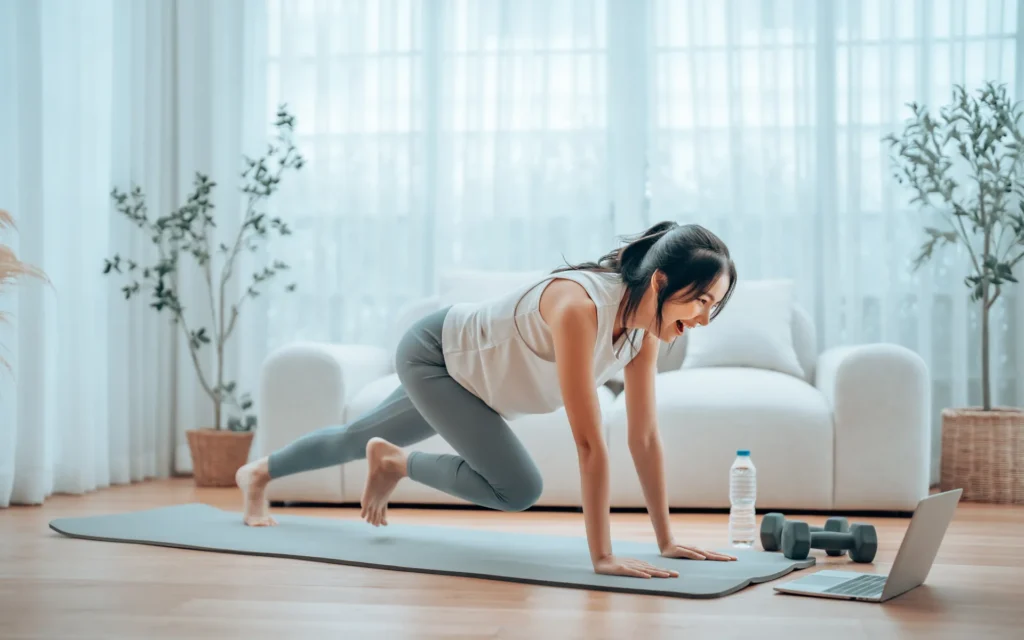
As mentioned earlier, both training forms help boost physical strength. However, there are precautions you should keep in mind during workouts, as follows:
- Bodyweight training may cause your body to adapt over time, limiting further weight increase. You might need to adjust poses, do more reps, or add equipment to keep progressing. Weight training carries injury risks if form is wrong or loads are too heavy. Start with manageable weights and perfect your technique before increasing the load.
How do you add both formats to the training program?
For beginners, the best approach is combining bodyweight exercises with weight training. Use bodyweight moves for warm-ups and to build a strong foundation, then add light weights to boost strength. The sample four-week hybrid program below gradually increases weight in a balanced way.
| Week | Frequency/Week | Workout Split | Focus |
| Week 1 | 2–3 days | Bodyweight only | Learn basic form |
| Week 2 | 3 days | 70% bodyweight + 30% light weights | Get used to equipment |
| Week 3 | 3 days | 50% bodyweight + 50% weights | Add slight weight |
| Week 4 | 3–4 days | 40% bodyweight + 60% weights | Test progress |
Note: The table above is just an example. You can adjust bodyweight and weight training ratios based on your equipment, goals, and physical readiness. The WHO suggests that adults engage in major muscle group workouts at least twice a week, with rest days or muscle group rotations as needed.
How to track the results of bodyweight training?
Tracking progress helps you see how far your body has come, whether it’s more reps and sets, accumulated training load, or recovery levels. This data lets you adjust weights appropriately and avoid overtraining.
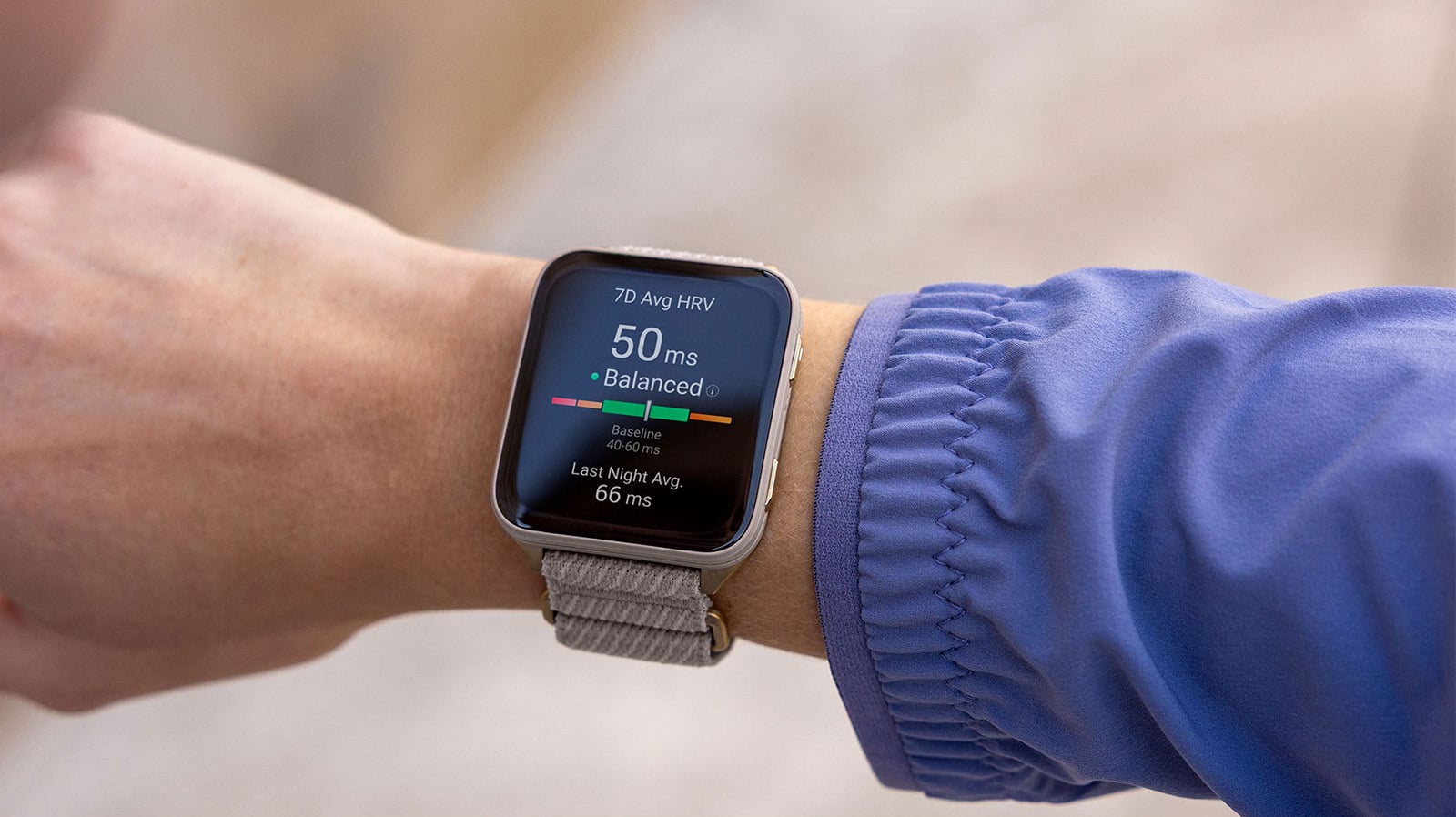
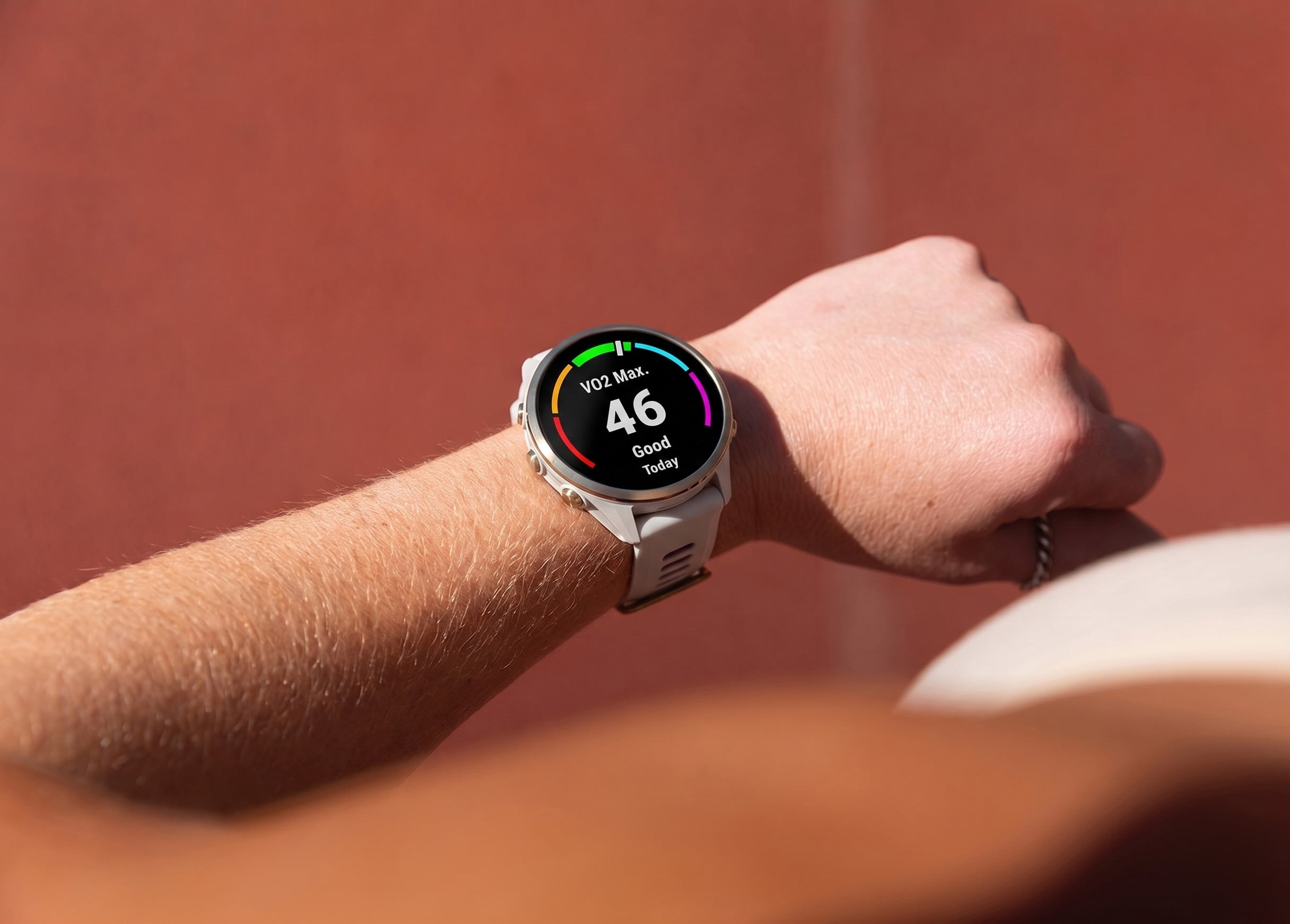
Consistently tracking these metrics helps you see your physical progress more clearly, especially if you do both bodyweight workouts and weight training. Several Garmin smartwatches, like the Garmin fēnix 9 Series, support this by systematically logging strength training reps and sets. The watch starts counting once you complete at least four repetitions, tallying one rep per movement per set. If you switch exercises, finish the current set and start a new one. For isometric moves like planks, it tracks duration instead. It also includes a Training Readiness feature to assess your body’s daily readiness, helping you decide whether to increase weight, maintain intensity, or focus more on recovery.
This information from your smartwatch is an estimate to help track trends. Users should verify their exercise sets and reps, and also consider their actual feelings, any pain, and the quality of their form.
Take your bodyweight training closer to your goals with Garmin
Bodyweight training is a great starting point for those who want to care for their bodies without waiting for equipment. As your body gets stronger, adding weight training will further boost your strength and muscle mass. When you train with a plan, gradually increase challenges, and listen to your body regularly, good results will surely follow.
Great workouts aren’t just about how many reps you can do; they’re also about understanding your body’s progress. Garmin smartwatches help both bodyweight and weight trainers track training data and strength metrics systematically. This allows you to plan each session with confidence and see clear progress.
**Frequently Asked Questions**
Q: Can bodyweight exercises really help reduce belly fat?
A: Bodyweight exercises help boost energy use and maintain or build muscle mass, which aids in overall fat loss when practiced regularly and paired with proper diet control.
Q: Does bodyweight training really build muscle?
A: Bodyweight training can really build muscle. Research shows that training with light resistance (under 60% of 1RM), taken close to failure in each set, yields muscle growth similar to heavy weights. However, increasing maximum strength still requires heavier loads. Therefore, bodyweight is ideal for building muscle, while weightlifting is better for maximizing strength.
Q: Will weight training make women bulky?
A: Women can build muscle through weight training, but visible body changes depend on training volume, nutrition, genetics, and time. General health programs help improve strength and tone. Significant muscle growth requires consistent, specialized training and diet.
Q: Is bodyweight training at home really effective?
A: Bodyweight training at home is truly effective, especially when you follow a consistent workout plan and gradually increase the challenge by adjusting tempo, reps, or the angle of each exercise.
Q: Should I start with bodyweight exercises before weight training?
A: Starting with bodyweight or machine workouts is fine since they guide movement. Switch to free weights once you’ve mastered proper form. This approach helps reduce injury risks during exercise.
Q: How many calories does a 30-minute bodyweight workout burn?
A: A 30-minute bodyweight workout burns roughly 135–190 calories at moderate intensity, and around 240–340 calories when done vigorously, for people weighing 57–84 kg. Actual numbers depend on exercise intensity, rest periods, and training style.