Inside look: Garmin Health Longevity Insight Report
Populations are aging and living longer, on average, than ever before. Industries are increasingly using biometric data to address the challenges this creates. The Garmin Health Connected Ecosystem (GHCE) enables innovative digital health solutions by transforming wearable data into actionable insights for third party applications and platforms.
The newly released Garmin Health Longevity Insight Report reviews current statistics related to aging, provides details on several collaborator projects, and shares the perspective of Garmin Health leadership about the evolving need to focus on healthspan and modifiable lifestyle factors.
Here is a short preview of the report.
Introduction
Despite life expectancy continuing to increase in many parts of the world, more total years do not always result in more “good” years. In an effort to address the disease burden faced by older adults in the final decades of their lives, attention is shifting from lifespan to healthspan: the period of life without preventable health conditions, disability and functional decline.
Some key statistics:
- The United Nations estimates that the number of people aged 65 or older will more than double worldwide—from 761 million in 2021 to 1.6 billion by 2050—and the population aged 80 and older could more than triple.
- Noncommunicable diseases currently account for almost 74% of all deaths worldwide.
- Global life expectancy exceeds 73 years, while healthy life expectancy remains around 64 years—a gap of approximately 9 years.
- According to the World Health Organization, an estimated 1 in 6 people will be 60 or older by 2030, increasing the need for healthcare services, long-term care and support systems.
The emergence of healthspan
Historically, healthy aging has been difficult to quantify, with clinical care often focusing on diagnosing and treating disease rather than evaluating the everyday factors that influence how people age. Longevity research suggests that aging can instead be assessed using functional, behavioral and physiological indicators. Genetics is estimated to account for 20-30% of longevity outcomes, with lifestyle and environmental factors also playing a significant role.
Many factors are associated with healthspan, including the following:
- Physical activity
- Cardiorespiratory fitness
- Sleep
- Stress resilience
- Metabolic health
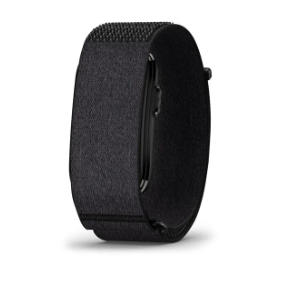
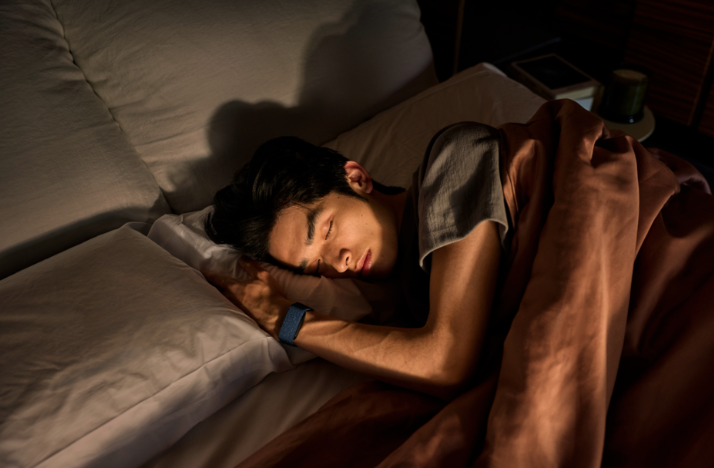
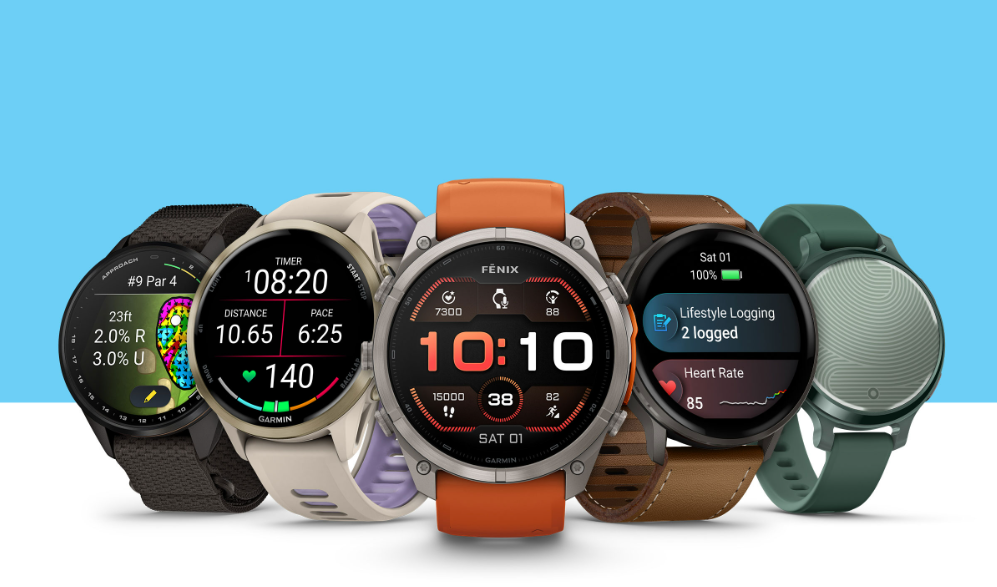
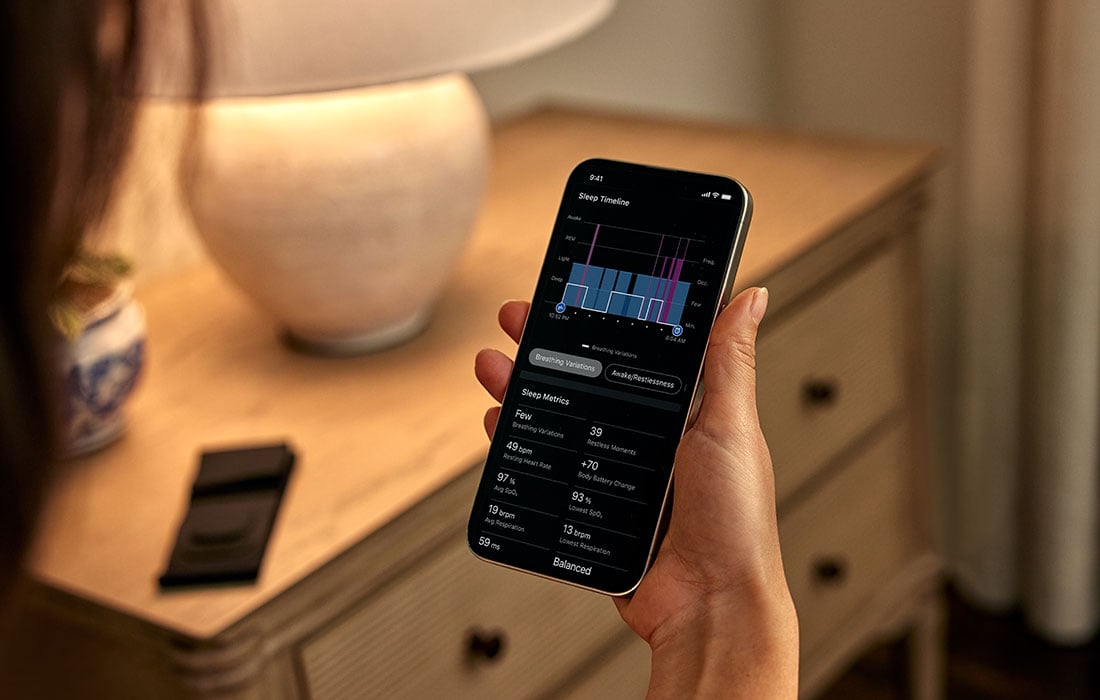
These healthspan factors are measurable and, to some degree, modifiable, yet an estimated 1.8 billion adults worldwide do not meet recommended physical activity guidelines. Consumer-grade wearables1, like the CIRQA™ Smart Band, can passively monitor many of these indicators around the clock, allowing researchers and digital health innovators to evaluate longitudinal trends rather than relying solely on annual checkups or one-time clinical assessments. Together, these capabilities support the evolution of healthspan from a theoretical concept into a more measurable goal, creating new opportunities to understand and support healthy aging over time.
Garmin Health collaborators
Precision Aging Network and UCLA: Researchers from UCLA utilized the GHCE to analyze Garmin wearable data alongside DunedinPACE, an epigenetic measure of the pace of biological aging, to investigate relationships between real-world physiological and behavioral signals and biological aging.
REACT Wear: Researchers from Rigshospitalet, Copenhagen University Hospital and the Spanish National Centre for Cardiovascular Research are incorporating data from the GHCE into REACT, part of a broader study examining atherosclerosis. The researchers combine traditional measurements such as imaging, blood tests and cardiovascular risk factors with continuous wearable data reflecting sleep, activity and physiological responses to stress.
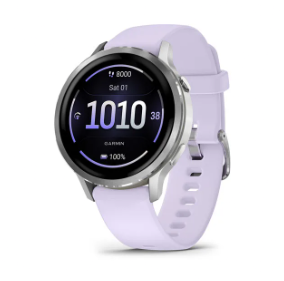
Health and Happiness Study: Researchers from Harvard University and the University of Oxford are using Garmin smartwatches via the GHCE, smartphones and participant surveys to investigate predictors of happiness and well-being. The study is expanding to include more than 10,000 participants globally, with smartphone surveys administered three times per day and responses cross-referenced with Garmin data via a third-party application to examine variables including physical activity, sleep, socialization and stress.
Scott Burgett, Senior Director of Garmin Health Engineering, underscores what a pivotal time this is in longevity care, saying, “The confluence of cost-effective devices, integration options and AI analysis of large amounts of high-quality data represents an opportunity for organizations to address the disease burden of older adults in scalable, proactive and innovative ways.”
Read the full Longevity Insight Report to learn more about how organizations are using Garmin wearable data to support longevity research.
Visit the Garmin Health solutions page for additional information related to Garmin Health. If Garmin wearable technology and Garmin Health Connected Ecosystem could play a vital role in your next project, contact us.
Subscribe to the Garmin Health newsletter to stay up to date on the latest trends, research and innovations.
1Garmin wearable devices are consumer wellness devices and are not medical devices under the regulation of any jurisdiction, including Regulation (EU) 2017/745. They are not intended for the diagnosis, prevention, monitoring or treatment of any disease. Any medical or clinical functionality described is provided by a third-party solution and is solely based on their interpretation of data gathered from various data sources.