How to help improve your training with running dynamics
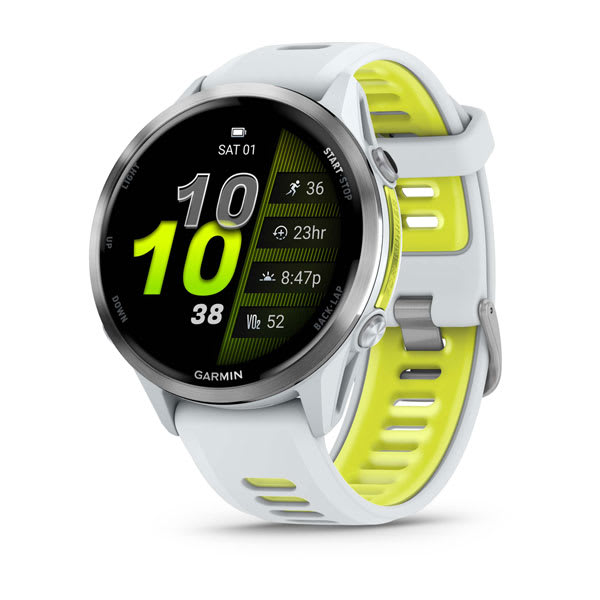
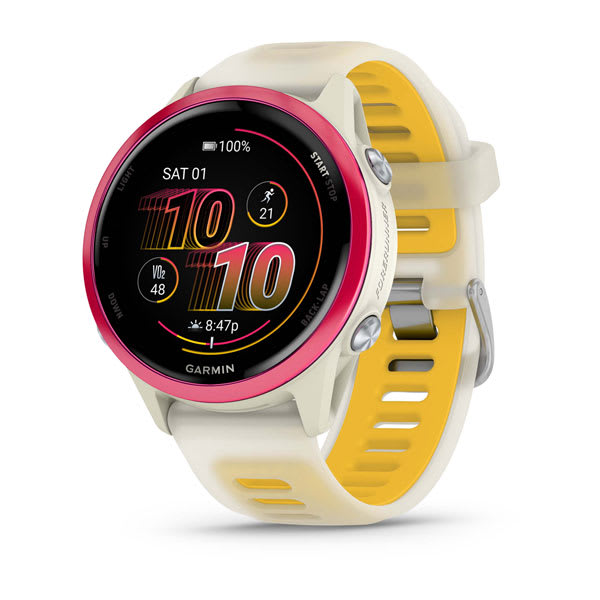
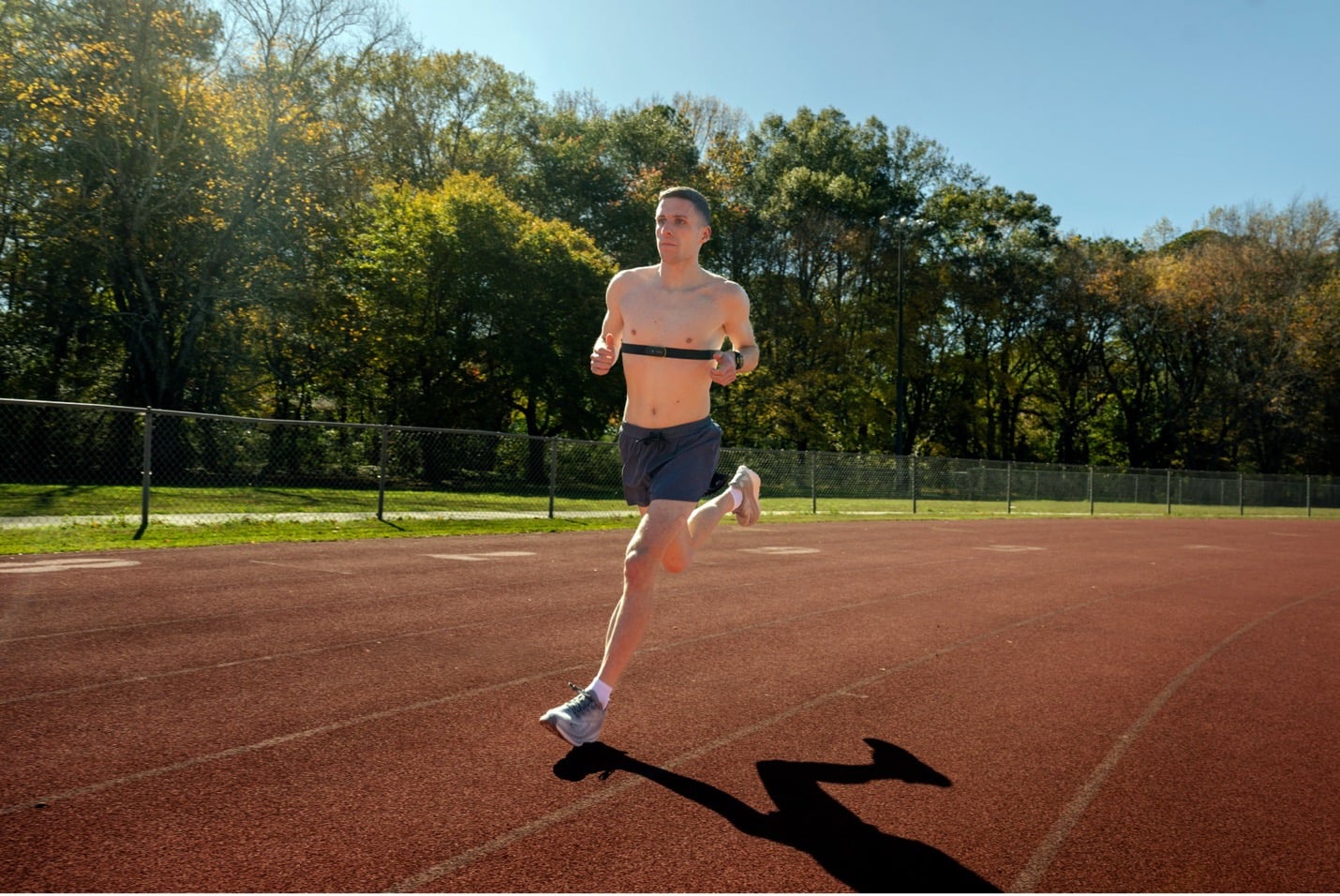
Garmin users can use running dynamics to monitor their training and understand their running economy, running tolerance and running power.
Training for an upcoming race requires you to put in the miles, but improving your form, performance and stamina requires a bit more attention to detail.
With insights into your running economy, tolerance and dynamics data from a Garmin GPS running smartwatch, runners can help improve future miles and reach that next PR1.
Curious how these features work and how you can use them to your advantage? Let’s break it down.
Understanding your running economy and tolerance
What is running economy?
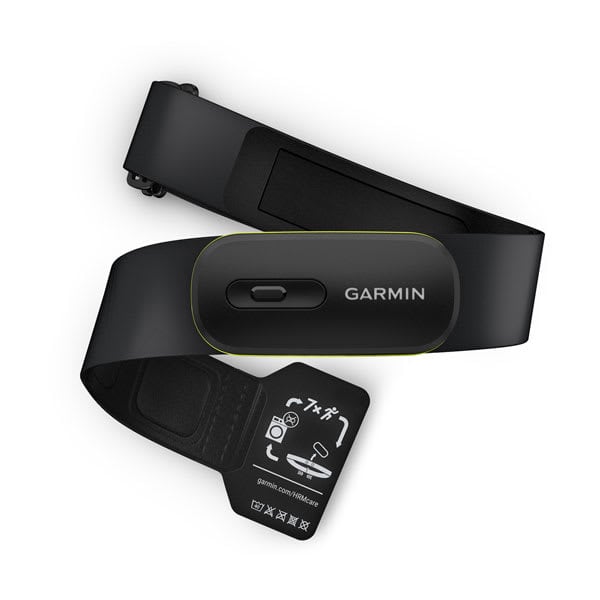
Runners looking to max out their performance are focused on improving their running economy, a personalised measure that shows how much oxygen your body needs to run a given distance and how efficiently you are turning calories into forward motion. Runners aim for low running economy because less energy is being used to cover a given distance. With a compatible smartwatch and HRM 600, runners can use running economy to make informed training decisions. It’s also a strong indicator of race performance.
In combination with other factors, running economy utilises running dynamics such as stride length, ground contact time, vertical oscillation and most importantly, step speed loss to provide running economy data.
Genetics and training habits influence your running economy, which can be improved by gradually increasing running mileage while adding in strength or plyometric exercises.
What is running tolerance?
If you’re preparing for your next half-marathon, marathon, triathlon or other long-distance race, use running tolerance to build out training blocks that make the most sense for your body. To avoid hazardous training patterns, your compatible Garmin running watch provides insights into how your training is impacting your body so you can adjust your mileage week to week.
Data points like speed, grade and intensity are combined with running dynamics metrics like cadence and ground contact time to measure acute impact load and tolerance. Acute impact load reflects the impact of recent runs, while tolerance indicates the amount of acute load your body can handle. Together, these metrics can help you plan your runs with your body in mind.
What is running power?
Running power was designed to help runners see how much power they’re applying on the ground as they run. Regardless of conditions, such as running up a hill or through wind, runners can use running power to manage pacing efforts.
Combined running metrics, like pace, vertical oscillation, grade and wind conditions, calculate the amount of power you apply to the ground, so you can avoid tiring too quickly despite the obstacles ahead. Running power data is displayed on compatible smartwatches.
How can running dynamics help me improve?
Runners who are serious about their data can use running dynamic features independent of their running economy and tolerance for enhanced performance. Thanks to data collection from the Garmin Human Performance Lab, you’ll receive metrics that break down your miles for a data-led path to improvement.
- Ground contact time: Especially helpful for preventing overstrides, runners use ground contact time to understand the amount of time each foot spends on the ground. Runners should aim for shorter contact times.
- Ground contact time balance: Maintaining symmetry as you run increases speed and reduces the risk of injury. Ground contact time balance gives runners an idea of the symmetry of how long each foot is on the ground. A percentage around 50% will appear with an arrow pointing to the left or right, letting you know if one foot is in contact with the ground longer than the other. Ground contact time balance requires a compatible smartwatch and HRM 600.
- Cadence: Cadence is defined as steps per minute. Runners typically aim for a quicker cadence and shorter stride because it puts less pressure on the lower half of their body. Closely linked to vertical oscillation and ground time, if you have a high cadence, this typically results in lower vertical oscillation and shorter ground contact time.
- Stride length: Easy to view as you run, stride length provides real-time data detailing how far you travel with each step you take. As runners aim to make their stride shorter to conserve energy, they can analyse patterns in stride length depending on their pace, cadence elevation and other data points.
- Vertical oscillation: Generally, the lower the vertical oscillation score, the better, as it helps conserve energy and reduce stress on the lower body at impact. Vertical oscillation shows how high you bounce with each step, measured in centimeters.
- Vertical ratio: Expressed as a percentage, your vertical ratio measures the amount of vertical bounce compared to your stride length. Runners benefit from a low vertical ratio score because less energy is being expended for the distance forward.
- Step speed loss: An important metric for runners looking to improve their stride and be quick on their feet, step speed loss measures how much you slow down as your foot hits the ground. A low step speed loss is preferred and is an indicator that you spent less energy picking up speed as your foot left the ground. Access step speed loss data with a compatible smartwatch and HRM 600.
A PR could be in your future with the help of Garmin running metrics. Browse our lineup of GPS running smartwatches to find a training partner that matches your goals.