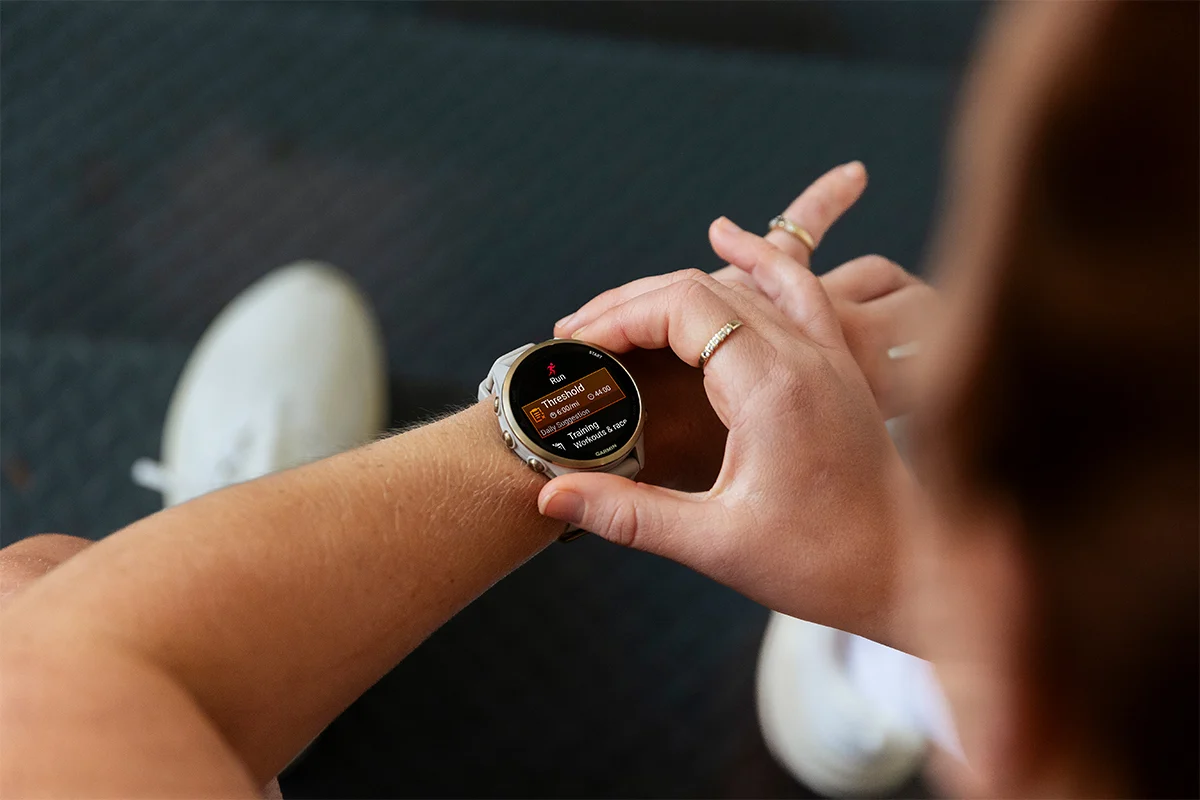
How to Quantify the Impact Load of Running?
Full Introduction to Running Tolerance
Running Tolerance is a brand-new feature launched alongside the Forerunner 970, offering a new metric to quantify the load caused by running.
Garmin’s classic “Training Load” focuses on the cardiovascular system (e.g., EPOC, VO2max), while Running Tolerance emphasizes biomechanical impact—the effect of ground reaction force on the lower limbs. This allows for a more precise reflection of the potential strain from high-intensity or downhill runs, helping you manage the impact on your body more intelligently as you increase your training volume.

How Does Garmin Calculate Running Impact Load?
When it comes to quantifying running volume, “mileage” is often our most intuitive reference. However, Running Tolerance considers more than just running distance. It evaluates the biomechanical load of each workout—including the impact on muscles, joints, and tendons—based on body weight, speed and intensity, slope (uphill/downhill), and running dynamics such as cadence and ground contact time.
For example, a 10-kilometer high-intensity hill run might impose the same lower limb impact as an urban half-marathon.
It’s not just hill running—intense, fast runs generate higher ground reaction forces and thus more strain than easy jogs. Walking detected during a run only has half the impact of a base endurance run, while fast downhill running can deliver three times the impact of easy flat runs.
The system continuously analyzes your performance throughout your run, interpreting the force generated by your foot striking the ground. Ultimately, this Impact Load is presented as you may have ran this amount of distance. This helps you clearly see how high-intensity and hill runs differ from easy runs in terms of bodily stress, and provides a foundation for planning your weekly training schedule.
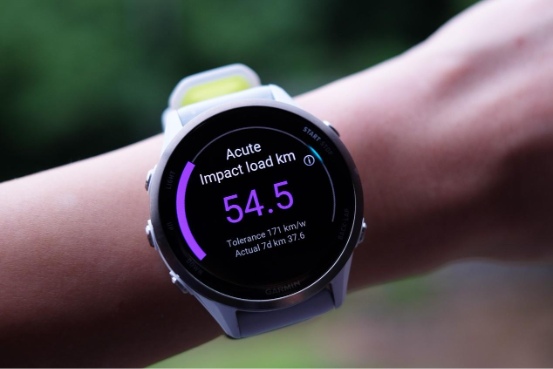
You can also view the impact load graphs post-activity or in the Garmin Connect app to understand how different runs affect your body.
(Track running impact load)
Acute Load and Tolerance
Every runner knows that the effects of a run don’t magically disappear overnight. Your muscles, tendons, joints, and bones need time to recover from impact. Therefore, it’s necessary to extend the timeframe when discussing these loads to answer key questions like: “How much more can I run today or this week?”
Acute Impact Load is a weighted total that reflects the cumulative and residual impact of your recent recorded runs. The full impact load from each new run is directly added to your Acute Impact Load and gradually diminishes over time.
Tolerance reflects the maximum short-term load your body can handle based on your running history. It is personalized and dynamically adjusted at the start of each training week according to your recent and long-term running data.
If your Acute Impact Load exceeds your Tolerance, you have entered a cautionary state. This doesn’t necessarily mean you must stop running, but it is a signal to assess your condition and be extra cautious. However, if you consistently exceed this limit, it should be seen as a potentially risky training pattern associated with increased chances of injury or over-fatigue.
Whether it’s one long run or multiple intensive runs, accumulated Acute Impact Load can lengthen your recovery time—especially after extra-long distances or more downhill running than usual.
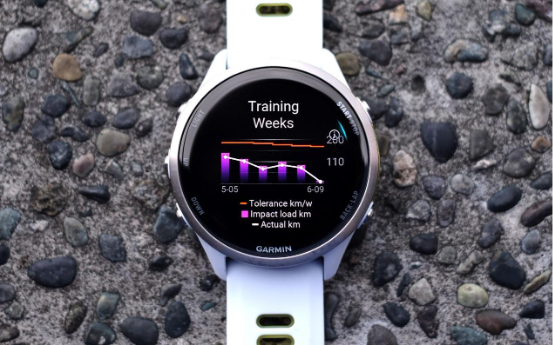
Weekly Impact Load is a historical chart showing the total impact load of all running activities during the week, helping you track training trends and indicating how “full your training bucket” is.
Sustained challenging training will gradually increase your Running Tolerance over time. On the other hand, reduced running volume will eventually lower your tolerance. Please note that the weekly accumulated load shown in your current training week chart may differ slightly from your current Acute Load because the Acute Impact Load uses a weighted calculation to better reflect the actual stress your body is experiencing today.

| Impact Load | Calculated in “equivalent kilometers,” reflecting the actual mechanical impact of the workout on your body. |
| Acute Impact Load | Cumulative impact load for the day, reflecting your body’s current stress level. |
| Weekly Impact Load | Total impact load from all running activities during the week; reflects your lower limb training tolerance limit. |
| Tolerance | The dynamically adjusted upper limit of acute impact load based on your training history and recovery status. |

Avoiding injuries
Running tolerance provides insight into your training, highlights potentially hazardous training patterns, and offers a science-based path for increasing running volumes over time. However, it does not guarantee immunity against injuries and cannot replace personal awareness. A healthy approach to running will always involve both listening to your body and using data.