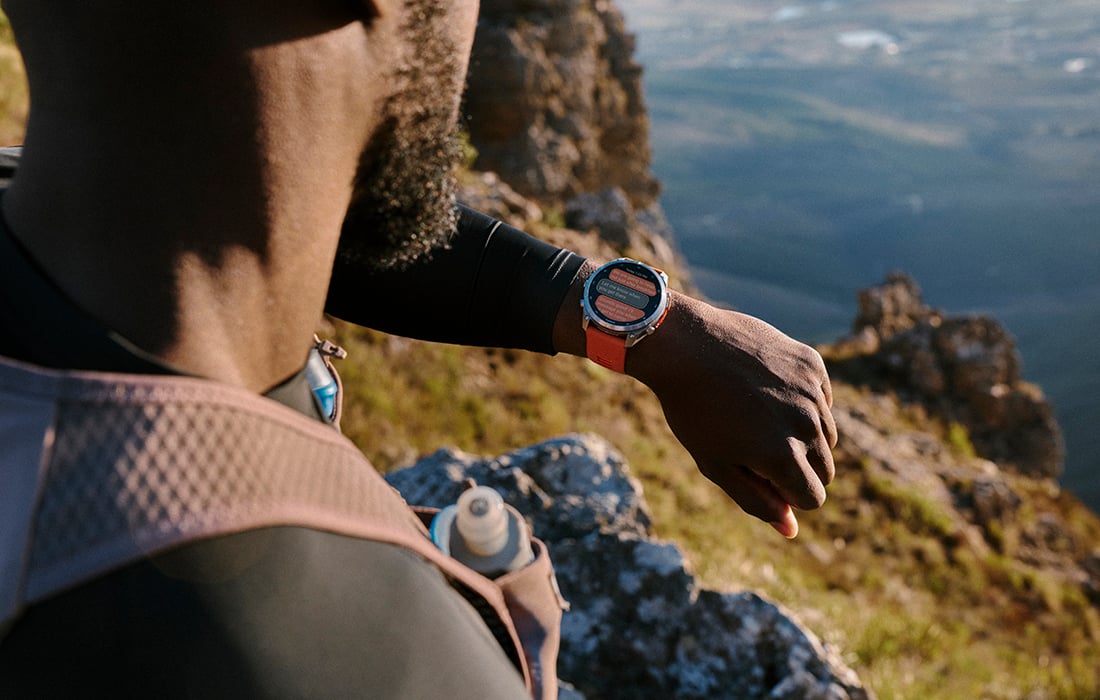
What is a Triathlon? Everything you need to know before triathlon competing
If swimming, cycling, or running alone isn’t quite challenging enough, triathlon takes endurance sports to the next level. This event combines three distinct disciplines into a single race. Athletes must carefully manage their energy, speed, and physical strength from the starting line all the way to the finish line.
For beginners, triathlon may seem like a sport requiring extensive preparation. However, once you understand the race format, distances, equipment, and proper training methods, getting started is actually quite straightforward. In this article, Garmin will guide you through what triathlon is, how it works, the different distance options, and the best ways to prepare. This will help you step onto your first triathlon course with confidence.
This article aims to deepen your understanding of triathlon, helping you prepare thoroughly for future training and race challenges.
- Do you know what a triathlon is?
- What does triathlon include?
- How many distances are there in triathlon?
- Benefits of joining a triathlon
- How to prepare before entering a triathlon
What injuries in triathlon shouldn’t you ignore?
What Is Triathlon?
Triathlon is a multisport event combining three endurance disciplines: swimming, cycling, and running. These are performed consecutively, with athletes switching gear in the Transition Area between each stage. The time taken for these changes is included in the overall race time.
What’s involved in a triathlon?
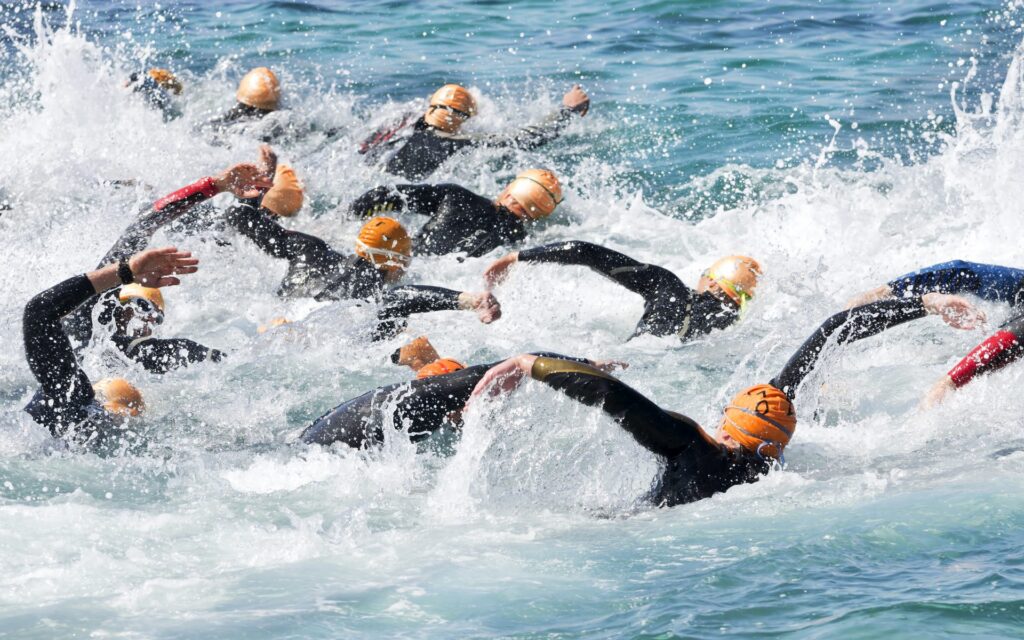
Triathlon consists of three consecutive events: swimming, cycling, and running. Each stage demands unique skills and strategic energy management.
- Swimming kicks off the race, usually held in open water like the sea, a lake, or a reservoir. Athletes need to pace themselves well to conserve energy for the stages ahead.
- Cycling begins once swimmers exit the water. They head to the transition area to switch gear before tackling the designated bike route, maintaining speed while managing their energy wisely.
- Running is the final leg before crossing the finish line. After the bike, athletes must shift into a run, relying on strength, endurance, and smart pacing to see them through to the end.
How Many Distances Are There in Triathlon?
Triathlon events are divided into various distance categories to accommodate everyone, from beginners building their fitness base to top-level professionals, as outlined below.
- Sprint Distance This is the shortest and most intense trial, perfect for beginners seeking their first experience and a mental refresh. Standard or Olympic Distance The official international benchmark used in the Olympic Games to showcase athletic skill. Half Ironman (70.3) A half-way milestone that tests the endurance of those who love pushing their bodies on long routes. Full Ironman (140.6) The ultimate, most prestigious challenge for Ironmen, pushing physical and mental limits to the absolute extreme.
Summary table comparing the distance of each stage in the triathlon race
| Race Distance | Swim | Cycle | Run | Total Distance | Approx. Finish Time* |
| Super Sprint | 400 m | 10 km | 2.5 km | 12.9 km | Approx. 45 min–1 hr 30 min |
| Sprint | 750 m | 20 km | 5 km | 25.75 km | Approx. 1 hr 15 min–2 hrs |
| Standard (Olympic) | 1.5 km | 40 km | 10 km | 51.5 km | Approx. 2 hr 30 min–4 hrs |
| IRONMAN 70.3 | 1.9 km | 90 km | 21.1 km | Approx. 113 km | Approx. 4 hr 30 min–8 hr 30 min |
| IRONMAN Full | 3.8 km | 180 km | 42.2 km | Approx. 226 km | Approx. 9–17 hrs |
Note: The cut-off times shown are approximate only. Actual limits vary depending on fitness levels, experience, course difficulty, weather conditions, and specific race regulations. Some events may have different cut-off times than those displayed in the table.
Benefits of Participating in Triathlon
Switching sports training programs offers numerous benefits, as follows:
- Enhance endurance fitness Proper training in swimming, cycling, and running boosts cardiovascular capacity and the stamina needed for long races. Add variety to workouts Switching between these sports diversifies movement patterns and training loads. Since swimming and cycling are low-impact, you must still manage volume wisely to reduce overuse injury risks. Build discipline and goals Preparing for multi-discipline sports helps athletes plan sessions systematically and track progress effectively. Connect with like-minded peers Group training or joining triathlon events creates opportunities to share experiences, refine techniques, and stay motivated.
How to Prepare Before Entering a Triathlon
Before your first triathlon, preparing thoroughly in terms of fitness, equipment, and nutrition will help you tackle all three stages more effectively and enjoy every leg of the race from start to finish.
- Get your body ready for all three sports Plan your training schedule to include swimming, cycling, and running. Add Brick Workouts, which involve cycling straight into a run, to help your body adjust to changing movement patterns before race day.
- Prepare your gear Choose equipment suitable for each leg. Use a multisport-capable smartwatch, such as the Garmin fēnix 9, Forerunner 570, or Forerunner 970, to track training data like distance, heart rate, pace, and speed across activities.
- Plan your food and energy Practice hydrating and consuming carbohydrates and electrolytes tailored to your race duration and intensity. If using energy gels or electrolyte drinks, test them during training to see how your body reacts.
What Injuries in Triathlon Should You Never Ignore?
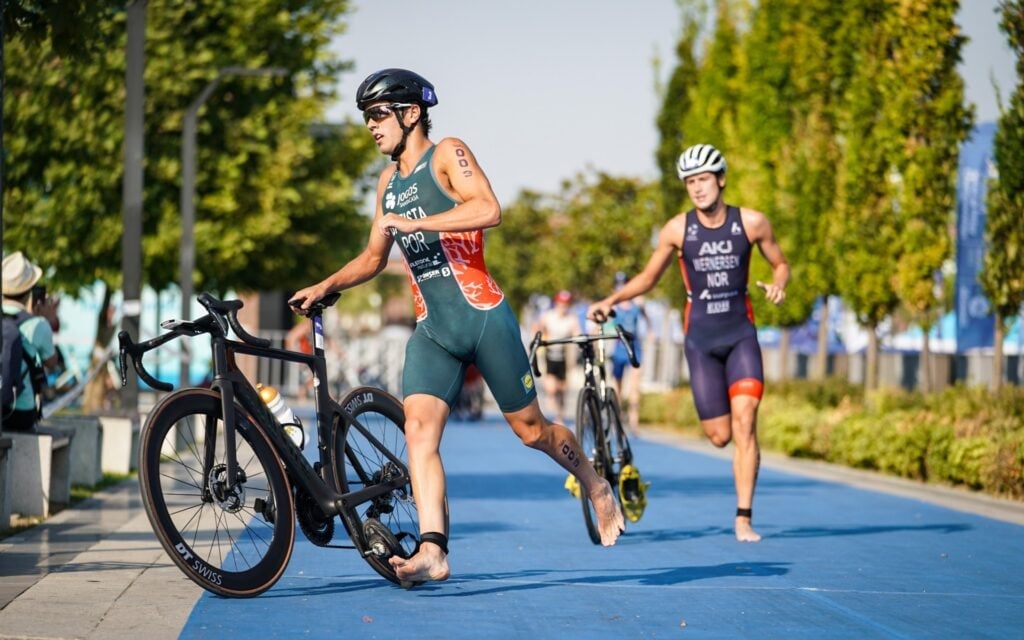
Triathletes engage their bodies continuously across swimming, cycling, and running. Overtraining, inadequate rest, or poor technique can increase injury risk. Watch out for these symptoms:
- **Injuries from Training** such as shoulder pain from repetitive swimming or lateral knee pain from IT Band Syndrome, often seen in long-term cycling and running. **During Competition** issues like calf or thigh cramps, which may occur alongside muscle fatigue, excessive sweating, or improper fluid and energy management. **After Competition** problems such as plantar fasciitis heel pain, ankle soreness, or cumulative muscle fatigue from continuous exertion throughout the event.
Reaching the finish line of a triathlon doesn’t just happen on race day. It comes from consistent training, knowing how to balance your energy across swimming, cycling, and running, and listening to your body to decide when to push and when to rest. Whether you’re starting with a Sprint distance or preparing for longer events, every step forward is built on solid preparation.
For those aiming to track training across all three disciplines, we recommend the Forerunner 570, Forerunner 970, and Garmin fēnix 9 Series. These devices support multisport and triathlon activities, recording swimming, cycling, running, and transition phases within a single workout. This ensures seamless tracking for your triathlon training. Additionally, the Training Readiness feature assesses your daily preparedness. It references training load, recovery, sleep, and HRV to help you decide whether to push harder or ease up. Combined with the Garmin Triathlon Coach, it specifically plans your swim, bike, and run sessions. It also tracks progress and adjusts workouts to suit your chosen competitions.
If you’re looking for in-depth cycling data, Garmin smartwatches (select models) can pair with accessories like Edge cycling computers, Rally power pedals, or Tacx trainers. For those keen on tracking heart rate, HRV, and detailed running dynamics, we recommend the HRM-600—a premium heart rate monitor that delivers precise data analysis and supports 5ATM-rated swimming activities.
“Because when you have data to track both your training and recovery, you can plan more accurately and confidently take yourself from the starting line to the finish line.”
Frequently Asked Questions
Q: How long does a triathlon take in minutes and hours?
A: Triathlon race duration varies depending on the distance and competitor speed. Typically, shorter races take about **1–2 hours**, while Ironman events can last **8–17 hours or more**. This includes time for swimming, cycling, running, and transition periods.
Q: Can I take up triathlon if I’m not a strong swimmer?
A: You can enter, but it’s recommended to build a solid swimming foundation first, especially for Open Water competitions. Beginners should start training in a pool before progressing to open water under safe conditions. Start with shorter distances as your first race.
Q: Can you race on a mountain bike?
A: Some events allow mountain bikes, making them ideal for beginners who want to try racing without buying a new bike. However, road or triathlon bikes are better suited for speed and long distances. Always check the event rules before registering.
Q: How many months should a beginner train before entering a Sprint distance?
A: If you already have a fitness foundation, you should start your training plan about 12–16 weeks ahead to get fully prepared for swimming, cycling, running, and transitioning between sports.
Q: How much does it cost to get started with triathlon?
A: Your budget depends on the gear you already own. If you’ve got a bike and running shoes, start with basics like activewear, swim goggles, and a cycling helmet. Then, upgrade your kit as your goals and training commitment grow.