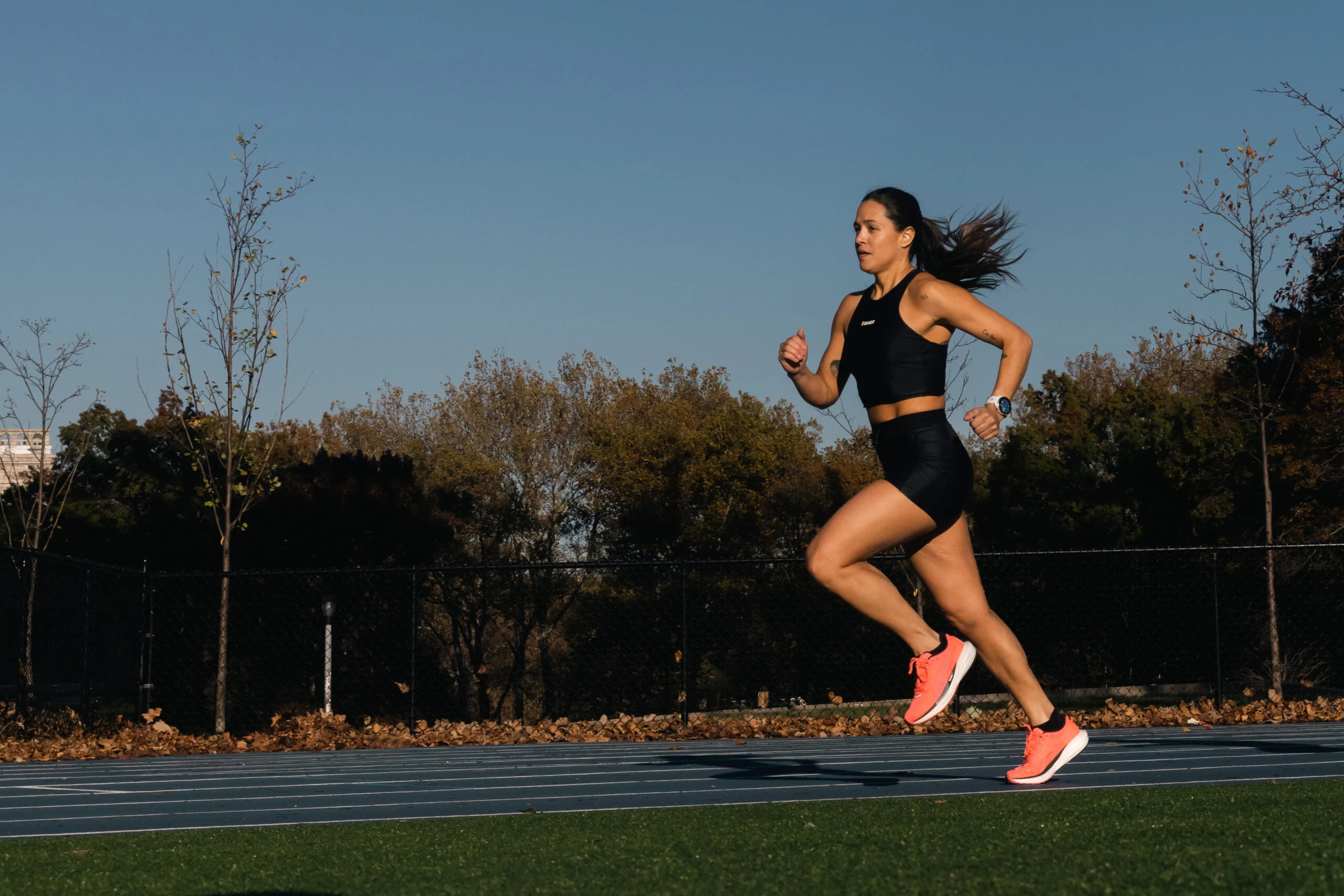
Anaerobic training for endurance athletes
Have you run out of steam just before the finish line? Have you lost a match because you couldn’t reach the ball?
Anaerobic capacity is essential in most sports. No matter the sport, you need to be able to produce power quickly and efficiently. Anaerobic metabolism shouldn’t be underestimated in endurance sports — it is the key factor if you want to sprint to the finish line or drop your opponents behind.
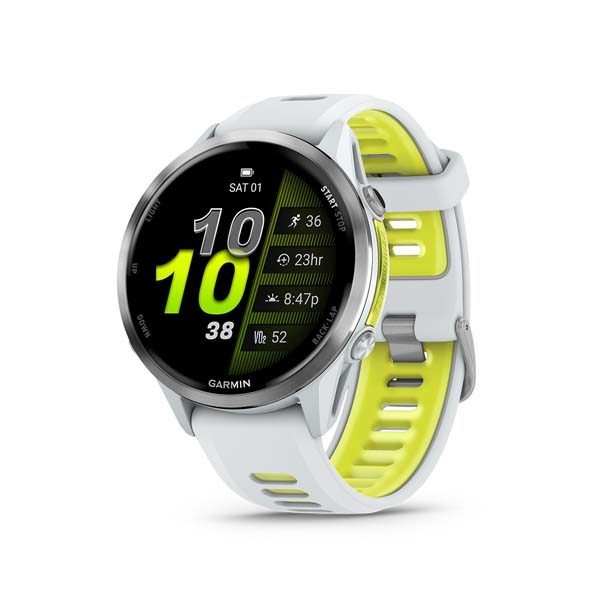
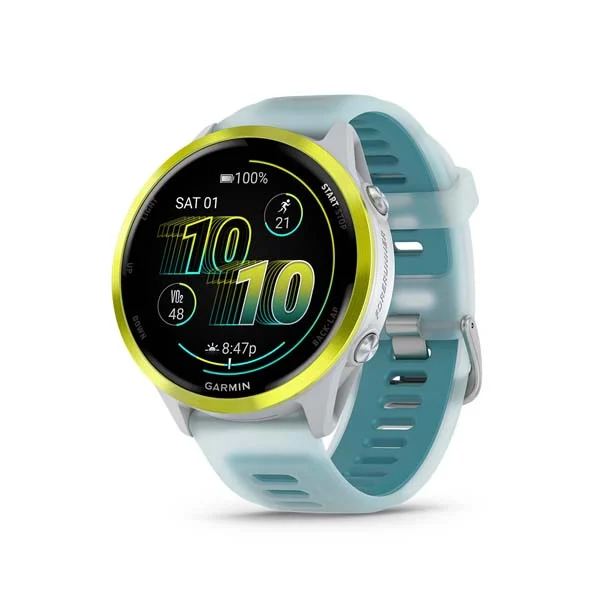
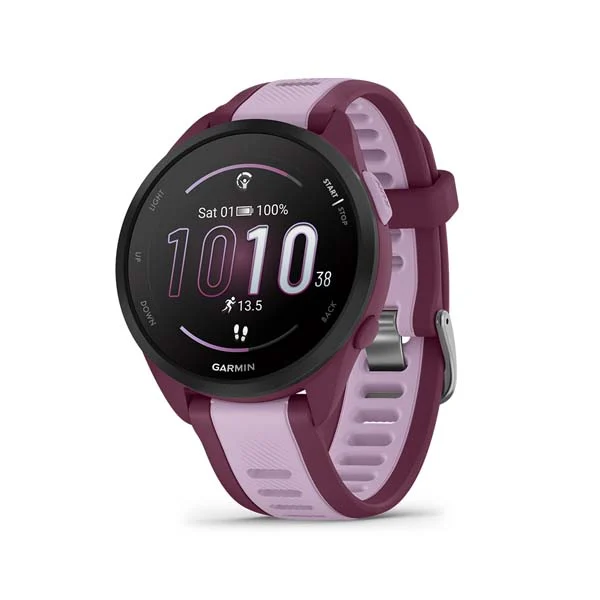
With anaerobic training, you can improve your speed and strength as well as your VO2 max and lactate threshold with the help of your compatible Garmin smartwatch. It is also an effective way to increase your muscle mass and burn calories. Simply put, anaerobic exercise is a powerful way to improve your fitness and performance.
What is anaerobic energy?
Aerobic means “with oxygen,” while anaerobic means “without oxygen.” So anaerobic metabolism allows you to engage in short-term, high-intensity bursts of energy without oxygen. This means that the intensity level is higher than your ability to produce energy using oxygen — aka your VO2 max — which means you really need to push hard and squeeze out every last drop.
There are two ways of producing energy anaerobically: the lactic acid system and the adenosine triphosphate-creatine phosphate (ATP-CP) system. The lactic acid system produces energy by breaking down glucose from carbohydrates such as fruit, veggies, grains and more. Lactic acid is then produced as a by-product. With moderate intensity exercise, lactic acid is removed, but at higher intensities it starts to build up in your muscles.
The point when lactic acid starts to accumulate is called the lactate threshold or the anaerobic threshold. This accumulation causes muscular fatigue quickly, which is why anaerobic exercise can’t last very long. The lactic acid system fuels your body for only two minutes or less.
However, the lactic acid system is not the fastest anaerobic energy system. In efforts lasting fewer than 10 seconds, your body uses an anaerobic system called the ATP-CP system. This provides immediate energy through the breakdown of two high-energy phosphates that are stored in your muscles. Although lactic acid is not formed, these limited stores run out quickly, causing your body to rely on other energy systems.
Interval training; making progress
Anaerobic capacity is a many-sided phenomenon. Garmin anaerobic training effect gives an insight into not just your overall anaerobic fitness but also your anaerobic base heart rate, speed and power — and how to improve these, especially with sprint and interval training.
First, speed is the tip of the spear. It gives insight into your ability to generate intense efforts that last fewer than 10 seconds using the ATP-CP energy system. It describes your ability to produce power very quickly, which is essential in short sprints, jumps and lifting heavy weights. To maintain or improve your speed, you should do intervals that are very intense (more than 140% of your VO2 max) but don’t last long.
Anaerobic power, in turn, refers to the effectiveness of your lactic acid system. It tells how well your body breaks down glucose to generate energy anaerobically. Anaerobic power can be trained by intense intervals (above 115% of VO2 max). Less intense (greater than 95% of VO2 max) intervals are a good way to improve your body’s ability to sustain activity for extended periods of time drawing on a mix of aerobic and anaerobic energy systems.
Workouts and their training effects

Key to success
The more repetitions you do, the more interval training affects your overall anaerobic capacity and tolerance of fatigue. It improves your VO2 max and your muscle’s ability to work at higher intensities.
But what if targeted interval training is not your cup of tea? Can you still improve your anaerobic capacity? Yes, you can. If you do short and intense efforts, be it during an ice hockey game or a spin class, your body is producing energy anaerobically when the aerobic system is maxed out. You may not improve your maximum speed or anaerobic power specifically, but your overall anaerobic fitness will improve if your training intensity is high enough.
All systems count
It is good to keep in mind that all energy systems (aerobic, lactic and ATP-CP) overlap and complement each other but the extent of each system depends on the effort. Where the ATP-CP system is most valuable for a weightlifter, a 400-meter runner needs an excellent anaerobic capacity, and a cyclist counts mostly on the aerobic system — but uses those two anaerobic systems too. The aerobic and anaerobic training effect values give you a deeper insight into the impacts of different types of training.
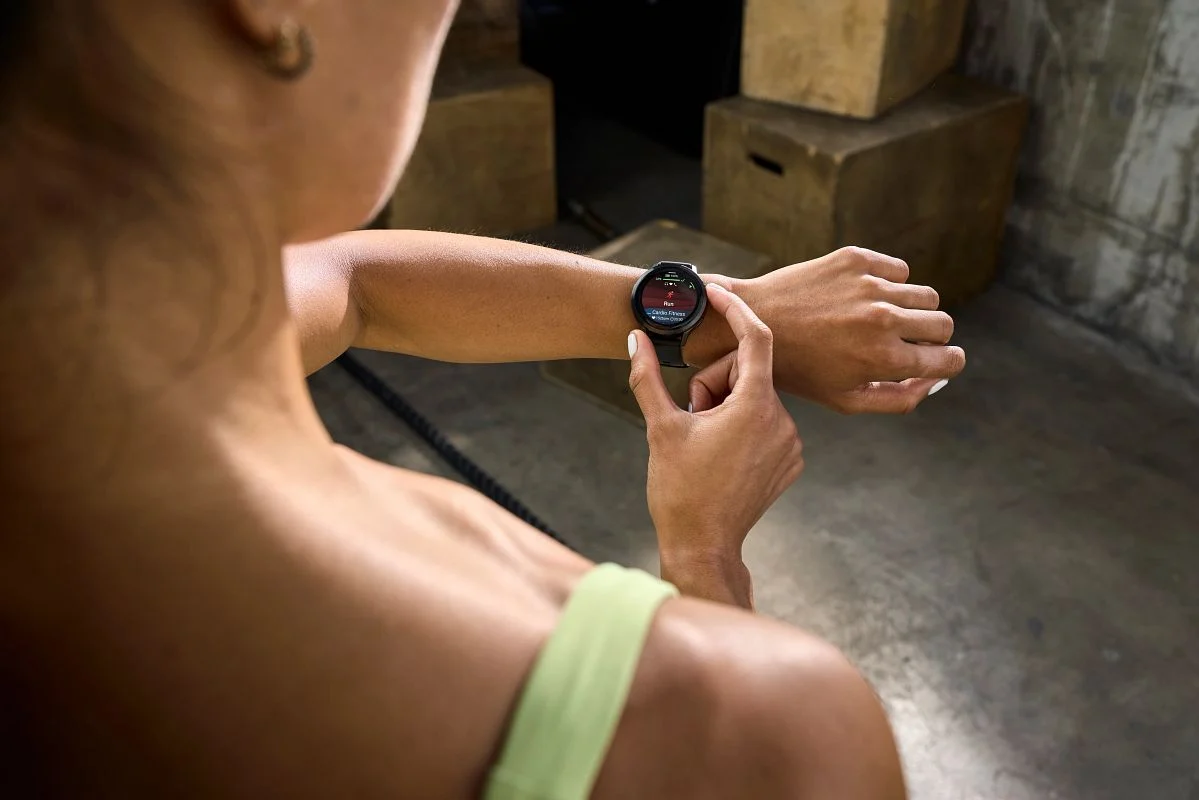
Start tracking your training and paying attention to your VO2 max score, lactate threshold and training effect with your compatible Garmin smartwatch as you strengthen your anaerobic fitness.